
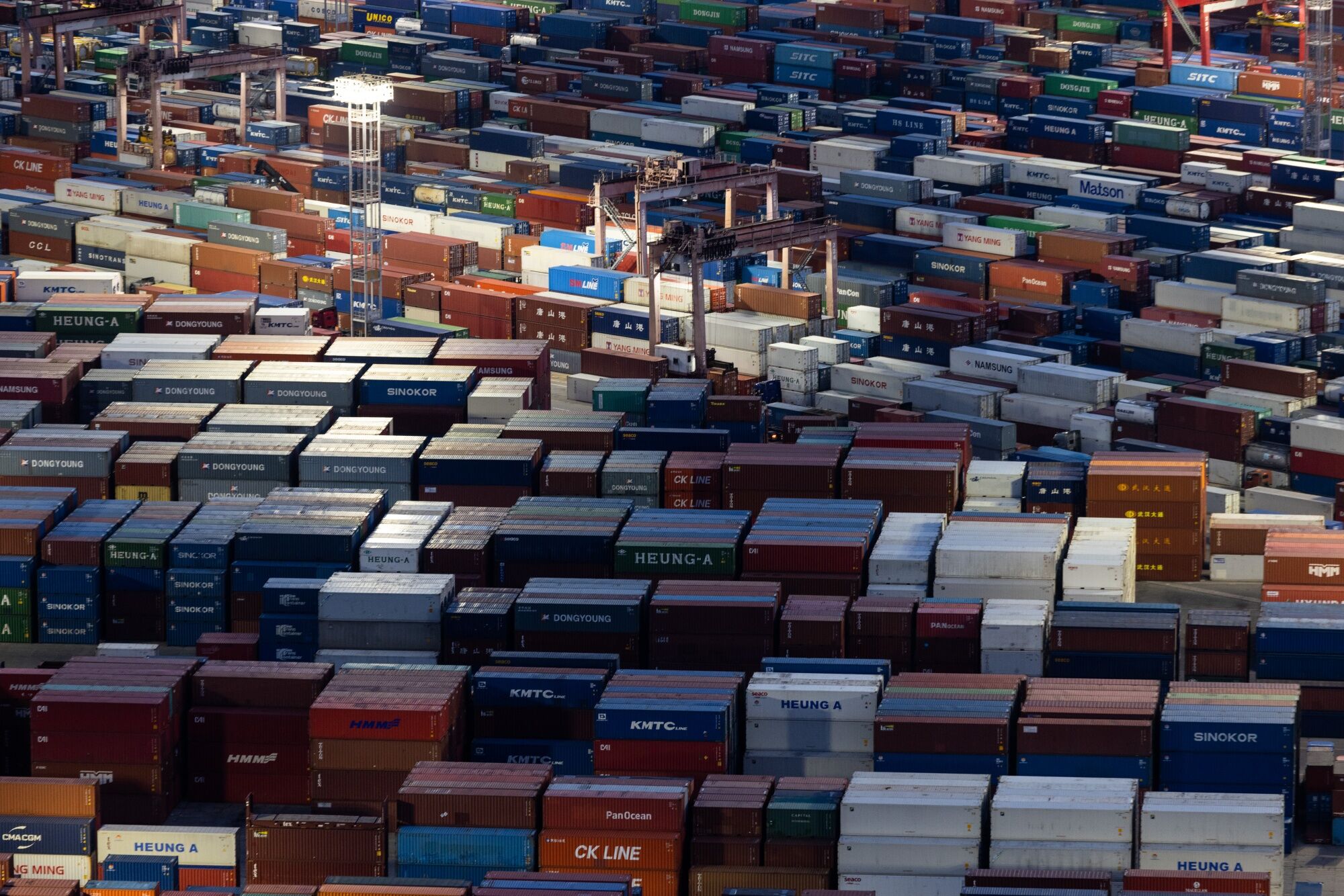
(Bloomberg) — South Korea posted a record trade deficit in August as the won hovered around a 13-year-low and global energy prices remained elevated, amplifying pressure on exporters.
The deficit almost doubled to $9.5 billion, the most in data going back to at least 2000, from $4.8 billion in July, according to data released Thursday by the trade ministry. Meanwhile, exports rose 6.6%, exceeding economists’ forecast of 5.6%.
Imports jumped 28.2%.
Korea is headed for its first annual trade deficit since 2008 as elevated energy and commodity prices drive up import costs, a phenomenon that’s also plaguing other export-oriented countries as Russia’s war on Ukraine drags on.
Supply chain disruptions, partly worsened by Covid lockdowns in China, have also contributed to inflationary pressure. A series of interest-rate hikes by the Federal Reserve to rein in US inflation have weighed on other currencies, including the won, making imported goods more expensive for their economies.
Korea’s trade performance is viewed as an important barometer of international demand as the country manufactures key items such as chips, displays and refined oil for the world economy.
Resilient export growth has been a major factor underpinning the Bank of Korea’s confidence in raising rates.
Governor Rhee Chang-yong joined global central bank chiefs at Jackson Hole over the weekend in reaffirming a willingness to keep tightening monetary policy until inflation eases meaningfully.
Adding to export woes is a gradual decline in global demand for semiconductors, the biggest cash cow for Korea. Meantime, the nation’s automakers are facing headwinds as the US “Inflation Reduction Act” excludes them from tax breaks aimed at shoring up American electric-vehicle makers.
More stories like this are available on bloomberg.com
©2022 Bloomberg L.
P.