
(Bloomberg) — The UK is offering to fix prices for renewable and nuclear power generators in a bid to limit the impact of high natural gas costs on electricity, Prime Minister Liz Truss said.
It’s an effort to leverage the country’s existing fleet of low-carbon power generators to address a cost-of-living crisis driven by high natural gas prices.
While the UK gets an increasing amount of power from low-cost renewable sources, it’s not readily apparent in wholesale prices that have soared to record levels this year.
That’s partially because all generators are paid the price set by the most expensive source, a concept known as marginal pricing. In most cases, that’s natural gas.
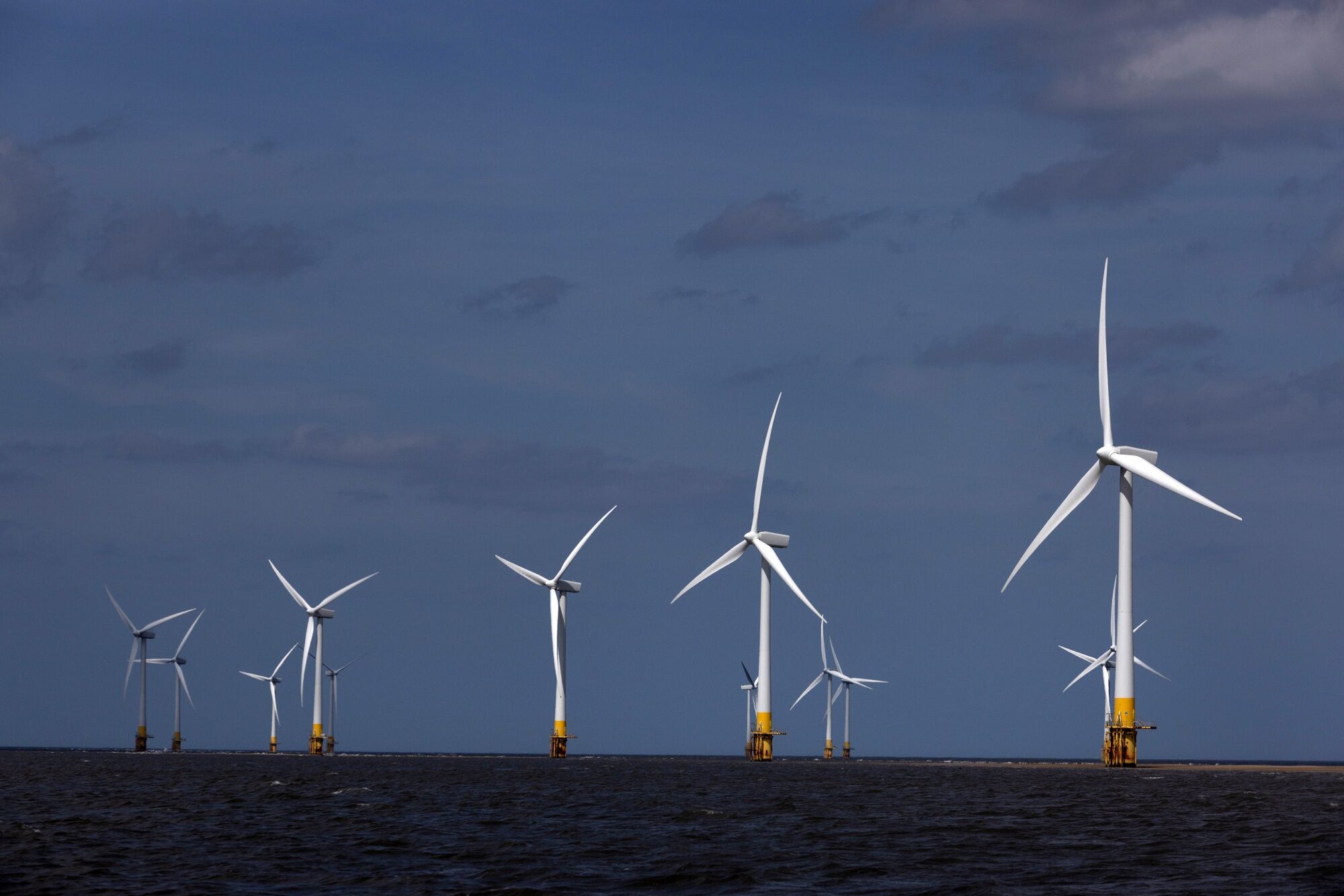
Britain will now offer generators the chance to switch to using so-called contracts for difference, which pay a set price for electricity produced over a fixed period. Already, Britain’s growing fleet of offshore wind farms is supported by the contracts, which can be attractive to developers because they offer guaranteed income over a relatively long period of 15 years.
“Renewable and nuclear generators will move onto contracts for difference to end the situation where electricity prices are set by the marginal price of gas,” Truss said in Parliament Thursday. “This will mean generators are receiving a fair price, reflecting their cost of production.”
Read More: UK Says Energy Aid Will Cost Treasury Billions and Cut Inflation
In the last year, power prices have been so high that projects covered by the contracts have been paying back money to the Low Carbon Contracts Company, the government-backed entity that manages the program.
In the fourth quarter of this year, generators with contracts for difference are forecast to pay back more than £3.1 billion ($3.6 billion), money that would be returned to suppliers to help lower bills for consumers.
“If properly structured and priced, voluntary CfDs will add visibility to future revenue streams for renewable and nuclear operators where investors are currently unable to give credit for exceptionally high forward prices,” John Musk, an analyst at RBC Capital Markets, said in a note.
To be sure, most generators have sold power forward for this winter.
That would limit the proposal’s effectiveness in the short-term. But with energy prices set to remain high, the contracts could help bring down bills and drive support for future investments.
“Liz Truss has sent a clear signal that delivering cheap clean power for billpayers as fast as possible is at the heart of the government’s energy strategy,” said Dan McGrail, chief executive officer of industry group RenewableUK. “We’re already working closely with ministers and our member companies on proposals to break the link between the unaffordable cost of gas and the price of electricity.”
More stories like this are available on bloomberg.com
©2022 Bloomberg L.
P.