
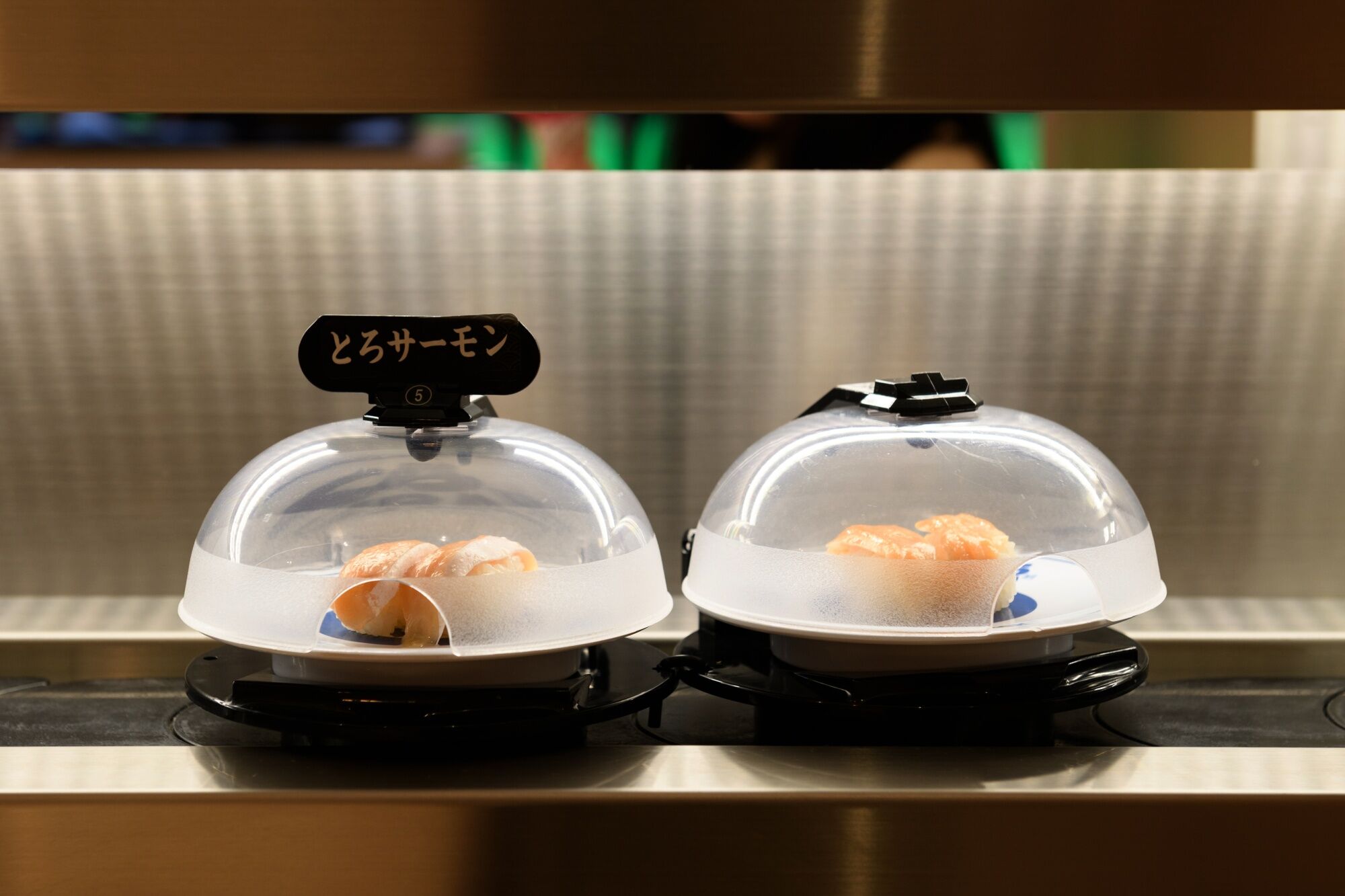
(Bloomberg) — For Japan’s tight-budgeted sushi fans, the days of filling up with plates of salmon nigiri and tuna-onion rolls for around 100 yen each may be coming to an end, due to a weaker yen.
Kura Sushi Inc., which operates one of Japan’s popular chains with counter-top conveyor belts carrying small platters of sushi, raised the price of its basic items by 5 yen (3 cents) to 115 yen ($0.79) this month. The currency’s plunge to two-decade lows against the US dollar has aggravated the effects of a prolonged pandemic and higher energy prices, dealing a blow to a business which has weathered decades of deflation and weak consumer spending but depends on imports for around 70% of its seafood.
“I’ve been in this business for 40 years and it’s as if we’re being hit by meteorites,” said Hiroyuki Hisamune, managing director overseeing the company’s products.
Kura Sushi recently cut its outlook for the year through October, forecasting a second consecutive year of operating losses. “All of the worst possible scenarios are hitting us at the same time,” he said.
Rivals including Akindo Sushiro Co. have made similar moves, citing higher fuel prices and a weaker currency which have driven up prices of salmon from Chile and Norway, sweet shrimp from Greenland and fish roe from the US and Russia.
Most chains purchase fish in yen, but their suppliers have been passing on higher currency-related costs and a surge in transportation fees after Russia’s attack on Ukraine.
Over the years, the restaurants have introduced more non-traditional options like fried chicken and sushi using spices and mayonnaise — the kind popular with younger eaters and tourists but considered repulsive by some purist aficionados.
Kura Sushi is even selling dessert crepes at its Harajuku store, hoping to lure in visitors following the reopening of Japan’s borders this month.
Despite such efforts, red tuna and salmon are still Kura Sushi’s most popular items and have become 50% to 100% more expensive to source compared with a year ago, according to Hisamune. It joined a growing list of restaurants and fast-food chains, including McDonalds Holdings Co.
Japan, that have raised menu prices to reflect costlier imports.
Still, some sushi chains remain reluctant to charge more for fear of losing customers to rivals after years of cut-price competition. Hama Sushi, owned by Zensho Holdings Co., is maintaining its prices, while Kappa Create Co. is adding more dishes to its lowest-price category. The two chains were in the spotlight last month after a Kappa executive was arrested on suspicion of obtaining trade secrets, including purchasing price data, from Hama Sushi.
The industry’s intense competition also means Kura Sushi may lower prices once the yen recovers.
“If the world calms down to some extent, there’s of course a possibility of price cuts,” Hisamune said. “We’ll definitely survive and be a winner.”
More stories like this are available on bloomberg.com
©2022 Bloomberg L.
P.