
(Bloomberg) — Japanese Prime Minister Fumio Kishida ordered an extra budget of 29.1 trillion yen ($199 billion) to fund an economic stimulus package aimed at both easing the impact of rising prices and boosting growth, as he seeks to shore up sliding support for his year-old government.
Including private contributions and other fiscal measures, the overall size of the package will be 71.6 trillion yen, Kishida said Friday after instructing the government to plan the extra budget soon.
Total fiscal spending in the package will be 39 trillion yen, he said, but the smaller size of the extra budget suggests part of the spending will come from already available funds.
“I will do my best to deliver various measures in this comprehensive economic package to the people so that they can feel that we are supporting their lives,” Kishida told reporters Friday, just as new data showed prices in Tokyo this month rose at the fastest pace since 1989.
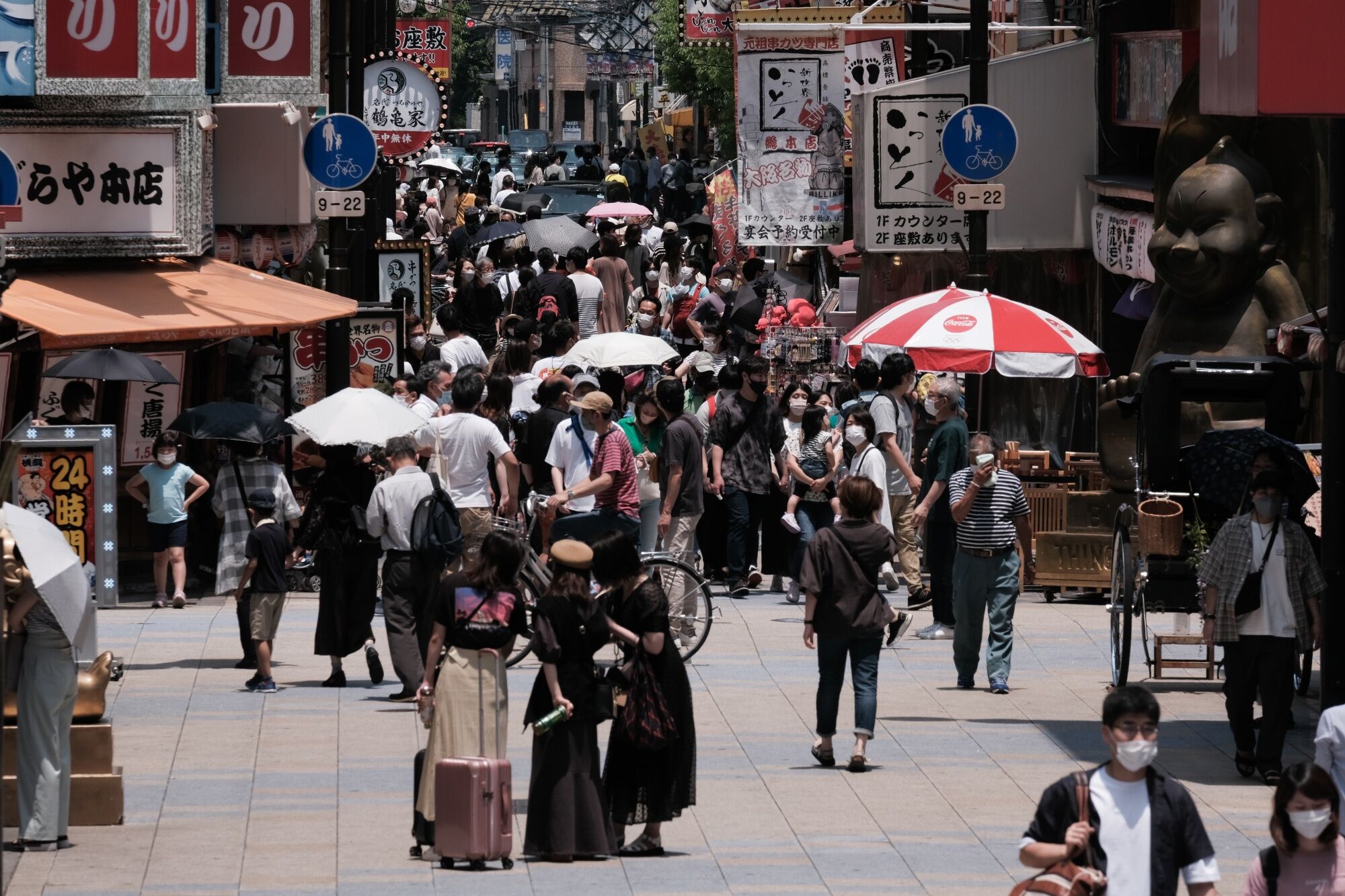
Although inflation is still lower than in many other developed nations, the slump in the yen has worsened price pressures and is hurting household budgets.
Some 12.2 trillion yen will be spent to offer companies more incentives to boost wages and on measures to tackle inflation, according to a document obtained by Bloomberg. The second largest chunk, at 10.6 trillion yen, will help fund plans to improve resilience against disasters and deal with “changes in the national security environment,” according to the document.
The centerpiece is likely to be aid to reduce energy costs, including a measure to lower household electricity bills by around 20% from next year, according to local media reports.
This comes after Kishida extended gasoline subsidies and measures to hold down food prices last month.
In addition, the plan is meant to help set up the economy to take advantage of the currency’s weakness by boosting both inbound tourism and exports and bringing factories back to Japan.
The latest stimulus package comes on the same day the Bank of Japan stuck with the rock-bottom interest rates that are contributing to the historic slide in the yen.
While the package may boost support for Kishida by showing he is helping families and businesses cope with higher costs, it will again raise questions about the consistency of the country’s fiscal and monetary policy.
The extra spending also highlights Japan’s tendency to fall back on extra budgets financed at near zero rates even as it struggles to rein in the developed world’s largest public debt load.
“What worries me is how long they will have to continue this approach of dealing with inflation with fiscal spending,” said Harumi Taguchi, principal economist at S&P Global Market Intelligence. “Fiscal conditions will be tough in the medium and long-term.”
Details of the policies are expected to be announced later in the day, with the prime minister scheduled to give a press conference at 6 pm local time.
The actual size of the extra budget can change depending on if it includes other items not in the stimulus package.
By pushing down prices, the extra spending won’t be as potentially inflationary as the tax-cutting measures in former UK Prime Minister Liz Truss’s ill-fated mini-budget.
“It’s unclear whether the package will generate demand matching its size,” said economist Takuya Hoshino at Dai-ichi Life Research Institute. “What stands out is measures that just hand out money, and I think they will need to exert a bit more governance over the content, rather than the scale.”
The plan also includes 6.7 trillion yen to promote Kishida’s ideas for a new form of capitalism, where the fruits of growth are spread more widely, according to the document.
Public angst over the rising cost of essential items is weighing on Kishida’s approval ratings.
The popularity of his government has already plummeted amid widespread anger over ties between his ruling Liberal Democratic Party and a fringe church.
While Kishida doesn’t have to face a general election for more than two years, the lack of public support could make it difficult for him to control his party and push ahead with pledges like increasing defense spending.
–With assistance from Isabel Reynolds and Emi Urabe.
(Updates with figures from document obtained by Bloomberg.)
More stories like this are available on bloomberg.com
©2022 Bloomberg L.
P.