
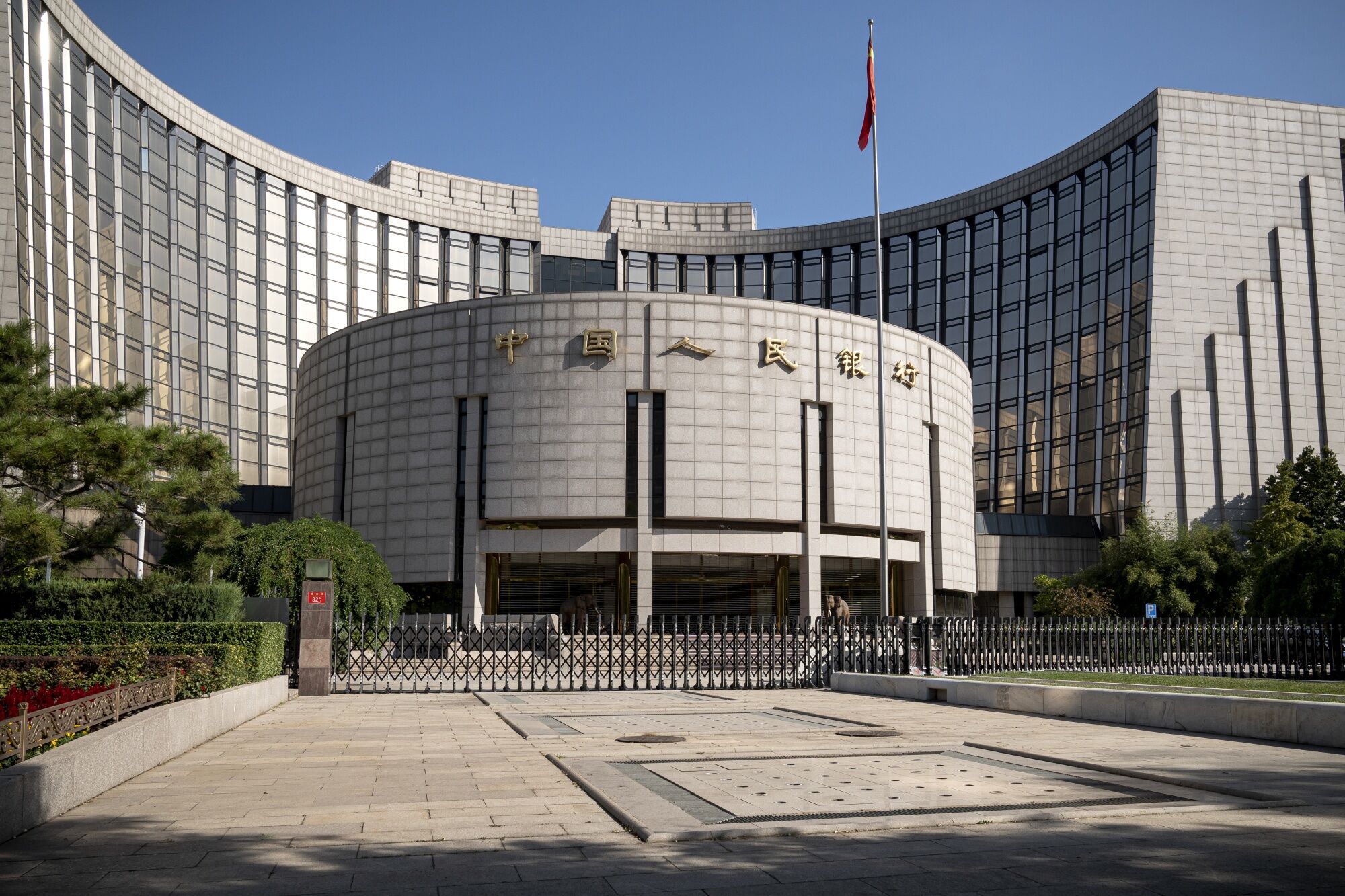
(Bloomberg) — China’s central bank injected less cash than expected via one-year loans this month but supplemented it with other liquidity tools to ensure ample cash levels in the banking system to boost the economy.
The People’s Bank of China injected 850 billion yuan ($120 billion) via its medium-term lending facility on Tuesday, less than 1 trillion yuan due this month, the biggest maturity in a year.
Six out of nine economists and analysts expected a gross injection of 1 trillion yuan in Bloomberg survey.
However, the central bank said in a statement it injected 320 billion yuan of medium-to-long-term liquidity by via Pledged Supplemental Lending and re-lending to the tech sector this month. The operation “fully met the demand of financial institutions,” the PBOC said, adding that total injections in November were higher than MLF maturities this month.
“It appears to be a largely liquidity neutral operation,” said Winson Phoon, head of fixed income research at Maybank Kim Eng Securities. “It probably serves as an interim liquidity bridge and the overall composition has been gradually shifting toward more medium term targeted funding through PSL and relending facilities.”
China’s liquidity support is closely scrutinized as the authorities have laid out fresh property measures and tweaks to Covid rules to shore up growth.
The country’s economic activities slowed more than expected in October, with retail sales contracting for the first time since May. Worsening virus outbreaks across the nation hurt consumer sentiment and disrupted business activity while a slump in the property market showed no signs of easing.
Separately, the central bank net injected 170 billion yuan via seven-day reverse repo at unchanged yield of 2%.
The central bank had vowed to maintain a “reasonable” growth of money supply and credit last week.
(Updates throughout.)
More stories like this are available on bloomberg.com
©2022 Bloomberg L. P.