
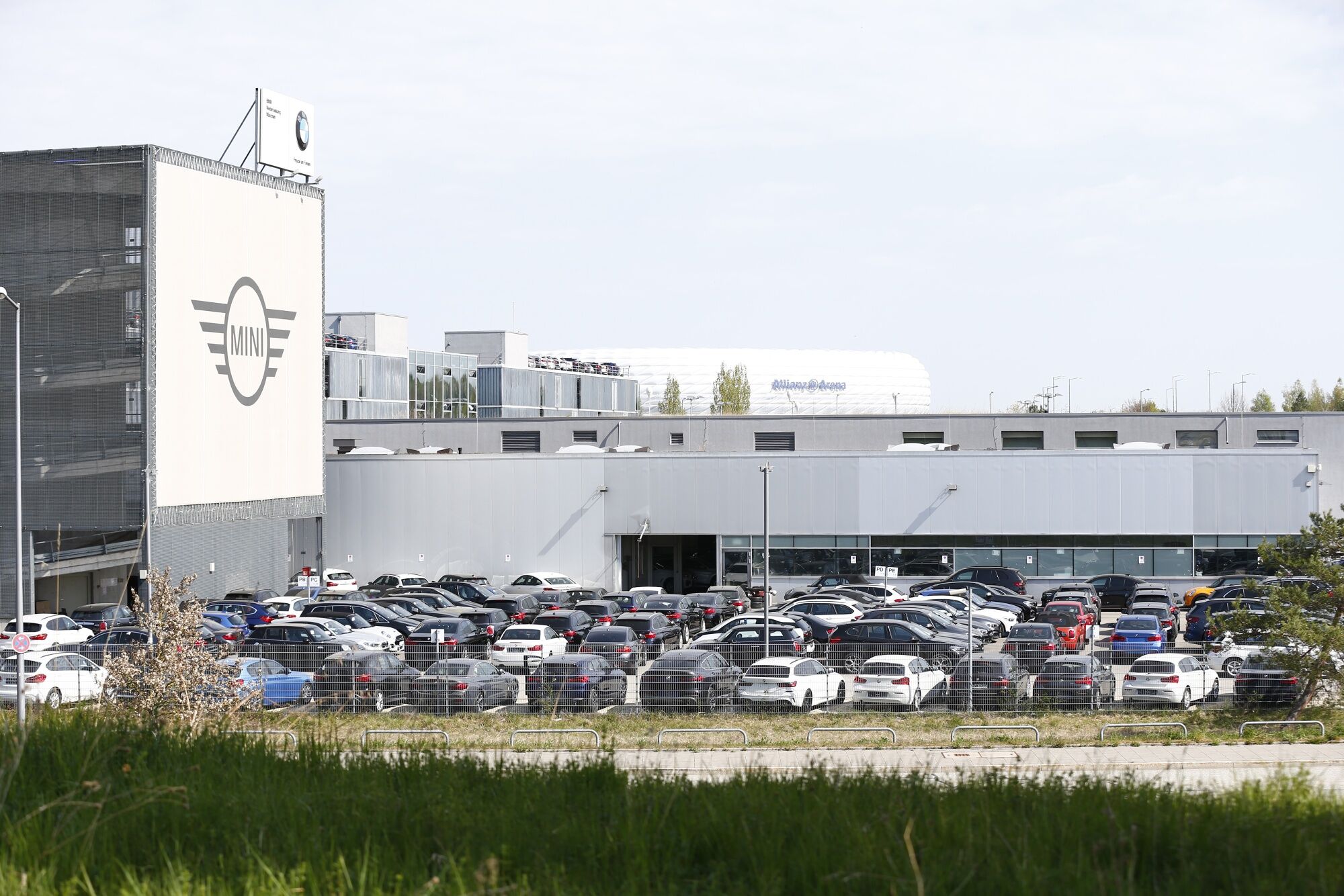
(Bloomberg) — BMW AG’s plan to pay out $1.8 billion in dividends while the coronavirus crisis drains the German carmaker’s cash reserves is drawing the ire of investors.
BMW should consider a lower payout to protect its balance sheet, Deutsche Bank AG’s fund management arm DWS Group said ahead of the carmaker’s annual shareholder meeting on Thursday.
Separately, Germany’s DSW investor lobby group said it wants BMW to be more frugal given that it’s asking for state-funded car-buying incentives and is sending thousands of workers home at reduced wages.
“Shouldn’t you keep your money out of the rain in such a situation?” Daniela Bergdolt, an executive for DSW, asked in a written statement submitted to the meeting, which BMW is holding virtually for the first time.
Global car manufacturers have shifted to rigid cash control in a bid to safeguard liquidity during an unprecedented slump in global demand.
BMW in March proposed a dividend of 2.50 euros ($2.70) per ordinary share, 1 euro less than what the company had paid the year before. Six days later, BMW shuttered its European plants.
Rival Volkswagen AG will review plans to pay out a record $3.6 billion dividend because of the crisis, according to Stephan Weil, a supervisory board member and premier of Lower Saxony, the German state that holds a 20% voting stake in the carmaker.
BMW’s Chief Executive Officer Oliver Zipse is among industry executives who have called for car-buying incentives funded by taxpayer money, a proposal that could become part of a broader stimulus program aimed at fueling growth in Europe’s largest economy.
While leaders of states that are home to BMW, Volkswagen and Daimler AG back such plans, the program has irked other lawmakers and drew a muted response from chancellor Angela Merkel.
BMW’s ownership structure added an extra dimension to the discussion — about 45% of BMW’s ordinary shares are owned by billionaires Stefan Quandt and Susanne Klatten, who are part of Germany’s richest family.
Some have questioned why BMW is paying a dividend while putting thousands of employees on a furlough program.
Zipse defended the practice last week, saying that program is paid from unemployment contributions split equally between workers and the company.
“We also cannot forget that many investors are pension funds, which use the dividend for pension plans,” he said, adding that next year’s dividend would reflect the economic impact of the pandemic.
For more articles like this, please visit us at bloomberg.com
©2020 Bloomberg L.
P.