
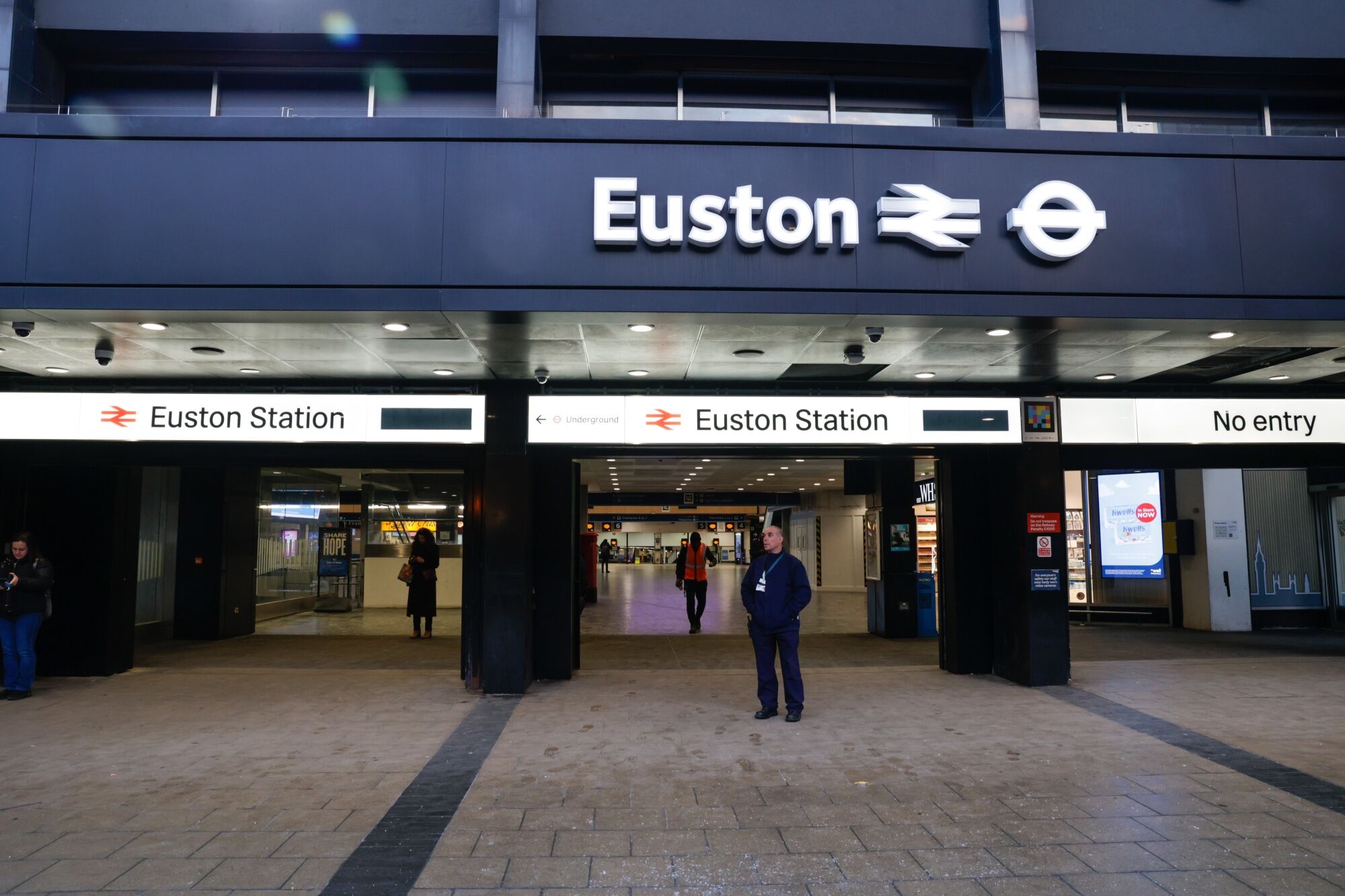
(Bloomberg) — A major union representing train drivers in the UK rejected an offer from rail operators, saying it will continue strikes that have disrupted service for the past year.
Three more days of job action will take place in May and June, extending the dispute into the early part of the summer travel season. In a statement, the Aslef union said the 4% pay increase proposed by 16 train companies lags behind double-digit inflation.
Its members haven’t seen a pay raise since 2019, it said.
In addition to walkouts set for May 12, May 31 and June 3, the union said it will withdraw from non-contractual overtime for some dates this summer, further pressuring the country’s rail network.
“The proposal of just 4% was clearly not designed to be accepted as inflation is still running north of 10%,” Mick Whelan, Aslef’s general secretary, said in the statement.
Whelan appeared before a committee in Parliament on Wednesday alongside Mick Lynch, general secretary of the RMT rail workers union.
They said the government has attempted to pressure train drivers into working to uphold minimum service requirements, despite their disputes over pay and work conditions.
“This is disappointing news for our customers and staff, more strike action is totally unnecessary and will only heap more pressure on an industry already facing an acute financial crisis,” said a spokesman for Rail Delivery Group, which represents the train operators.
Network Impact
When asked about their operational capacity during strikes in Parliament, CrossCountry Managing Director Tom Joyner said Aslef strikes brought them to “0-1% of operating routes.” The company’s XC Trains branches north from Birmingham to Aberdeen, Glasgow and Edinburgh in Scotland, south to Cardiff in Wales and to Plymouth, in the southwest corner of England.
Jamie Burles, managing director of Abellio Greater Anglia, said the action by the union reduced their operations to 12% of services.
The company links Liverpool Street station in London with Stansted Airport, the port city of Norwich and other parts north and northeast of the capital city.
The affected companies also include Avanti West Coast, which runs trains from London to Edinburgh and Glasgow; Southeastern, which links London to Kent and east Sussex; and Great Northern Thameslink, which goes to Cambridge, among others.
More stories like this are available on bloomberg.com
©2023 Bloomberg L.
P.