
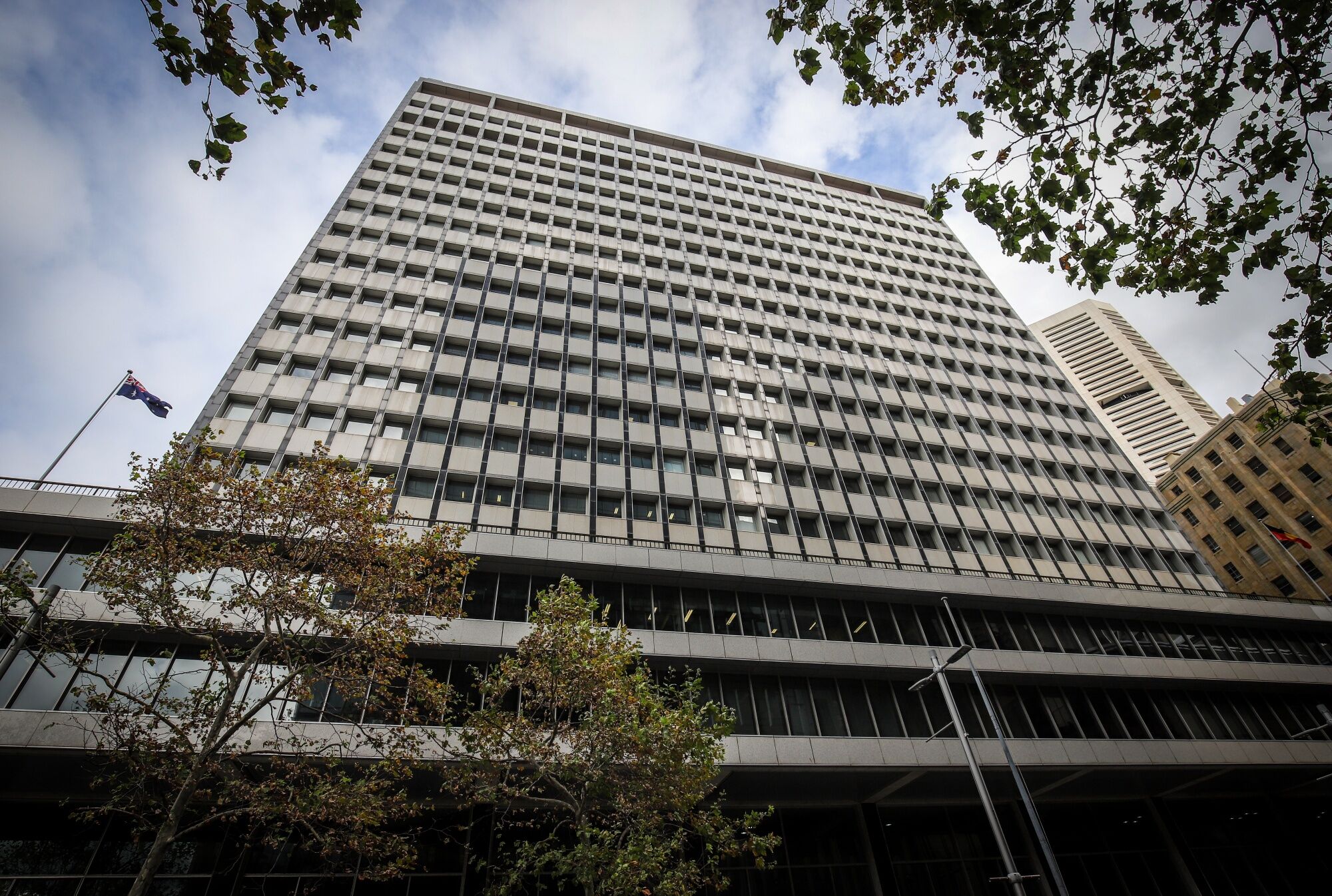
(Bloomberg) — Australia’s central bank stayed on the policy sidelines Tuesday despite a set back to the nation’s successful run of Covid-19 containment damping the economy’s otherwise improving prospects.
Reserve Bank of Australia Governor Philip Lowe kept the cash rate and three-year yield target unchanged at 0.25%, as expected. Soaring job advertisements and retail sales suggest the economy is recovering, yet the outbreak of infections in Australia’s second-largest city is a stark reminder of ongoing risks.
“The downturn has been less severe than earlier expected” and conditions have stabilized recently, Lowe said in a statement after the meeting.
Still, “uncertainty about the health situation and the future strength of the economy is making many households and businesses cautious, and this is affecting consumption and investment plans.”
The Australian dollar edged up a tad on the release and traded at 69.69 U. S. cents at 2:51 p.m. in Sydney.
The RBA is leaning on fiscal authorities to keep injecting stimulus into the economy to cover the retreat in private activity.
Prime Minister Scott Morrison’s government will deliver an economic statement July 23 that will outline ongoing support and where it intends to let programs expire.
New South Wales and Victoria, the nation’s most populous and economically powerful states, will close their border tonight as Victorian authorities battle to contain Melbourne’s worst spike in coronavirus cases since the crisis began.
While Australia has been one of the standout performers globally in limiting the spread of the virus to less than 9,000 cases, Victoria’s flare-up shows just how hard it is to eradicate without a vaccine, as Lowe himself has warned.
Australia’s economy lost more than 800,000 jobs in April and May and the unemployment rate hit 7.1%, with Treasury expecting it to reach 8% this quarter.
The government’s JobKeeper program, which pays a wage subsidy to keep workers attached to firms, has been instrumental in containing the jobless rate. The program is due to expire in September and its fate will be closely watched in the Morrison government’s July statement.
“The substantial, coordinated and unprecedented easing of fiscal and monetary policy in Australia is helping the economy through this difficult period,” Lowe said today. “It is likely that fiscal and monetary support will be required for some time.”
Australia’s relative success in flattening the infection curve and its yield-control program have proved attractive to investors, particularly given the more expansive measures taken by many other central banks.
The Australian dollar has soared about 20% since March 19, when the RBA announced its emergency measures.
“The board will not increase the cash rate target until progress is being made towards full employment and it is confident that inflation will be sustainably within the 2–3% target band,” the RBA chief said, reiterating the bank’s stance.
When questioned on the currency last month, Lowe said it’s hard to argue the exchange rate is overvalued given the relative health and economic struggles of some other countries.
Still, by Australian standards the economy is battling.
It is enduring the first recession since 1991 and 8% unemployment would be the highest this century. On top of that, ties with China, Australia’s key trading partner, have been tense since Morrison called for an international inquiry into the origins of the Covid-19 outbreak.
The governor was a little more upbeat about the global backdrop.
“Leading indicators have generally picked up recently, suggesting the worst of the global economic contraction has now passed,” he said. “Despite this, the outlook remains uncertain and the recovery is expected to be bumpy and will depend upon containment of the coronavirus.”
(Updates with additional Lowe comments from third paragraph.)
For more articles like this, please visit us at bloomberg.com
©2020 Bloomberg L.
P.