
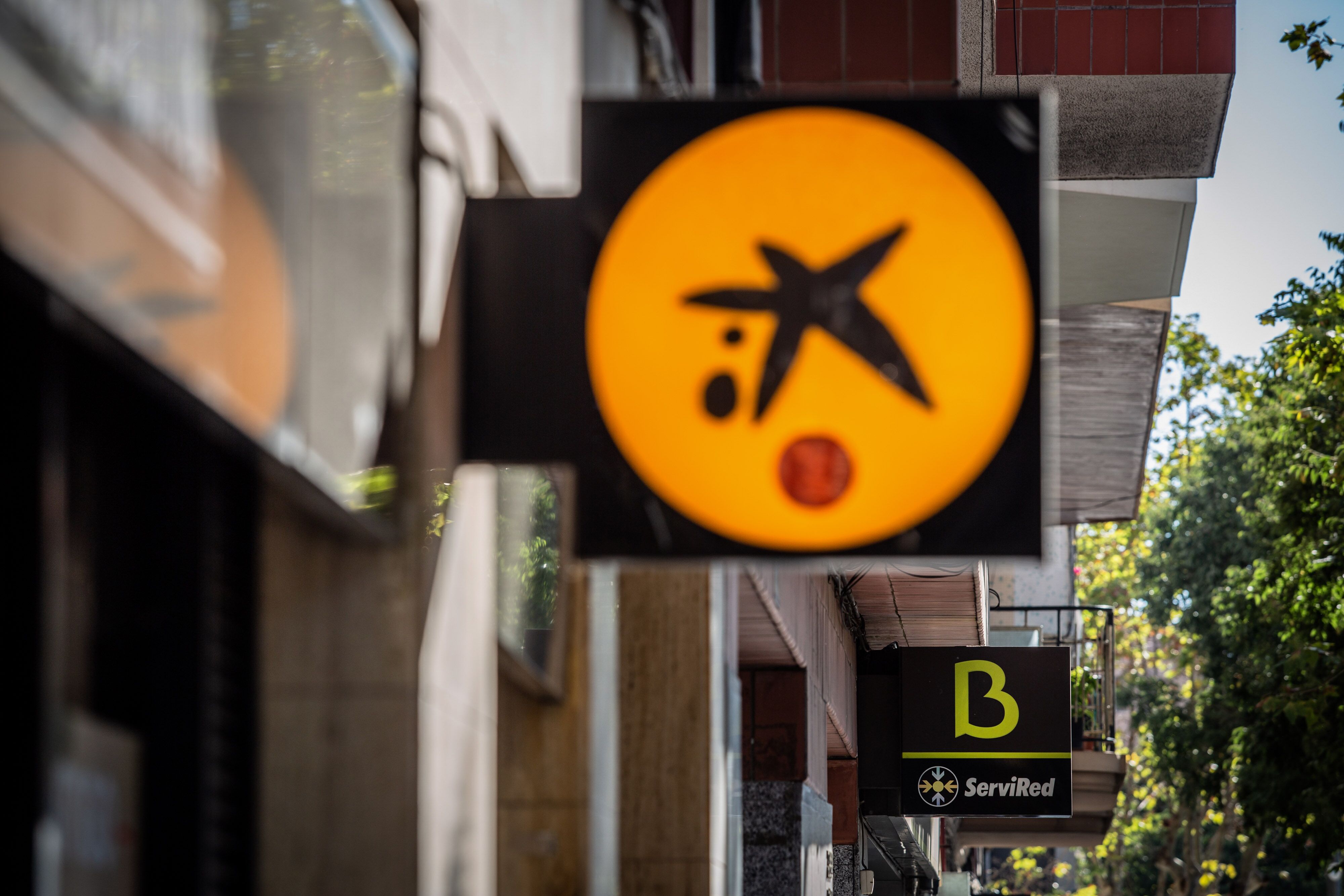
(Bloomberg) — CaixaBank SA agreed to acquire smaller rival Bankia SA to form the largest bank operating in Spain, marking the biggest deal in the country’s financial sector in two decades.
Bankia investors will receive 0.6845 shares in CaixaBank for each share they hold in Bankia, the buyer said in a statement. That represents a premium of 20% for Bankia based on Sept. 3 prices and values it at about 3.8 billion euros ($4.5 billion).
The deal adds to signs that long-awaited banking consolidation in Europe is starting to kick off.
Italy’s Intesa Sanpaolo SA is taking over domestic rival Unione di Banche Italiane SpA to be in a stronger position for cross-border deals, and Spain’s Banco de Sabadell SA is exploring strategic options including a sale or merger or buying a smaller competitor.
Bankia Chairman Jose Ignacio Goirigolzarri will be executive chairman of the combined bank and CaixaBank CEO Gonzalo Gortazar will remain in that role, overseeing a 15-member board.
The acquisition is expected to be approved by the shareholders of the two banks in November, with the merger completing in the first quarter of 2021.
Streamlining Business
Spain’s mostly retail-focused banks have been looking for ways to streamline their businesses as years of low interest rates and now the Covid-19 crisis erode profitability. Spain’s economy has been one of the hardest hit by the pandemic with its tourism industry especially affected.
The main shareholder in the new entity will be the Caixa Foundation via its holding company Criteria Caixa SA with a 30% stake.
The government, which is the majority shareholder in Bankia, will hold a stake of about 16% in the combined business.
The Spanish government obtained a majority holding in Bankia in a 2012 rescue aimed at averting a collapse of the country’s financial system. Pulling off a strategic operation that strengthens the banking sector while diluting the state’s ownership in Bankia is a rare bright spot for Prime Minister Pedro Sanchez’s government.
Biggest in Spain
The accord creates a lender with a combined market value of about 16.8 billion euros based on Thursday’s share prices.
It will be Spain’s biggest bank by loans, assets and deposits, creating economies of scale that may allow it to undercut competitors in prices. Banco Santander SA and Banco Bilbao Vizcaya Argentaria SA remain the country’s largest by market value, with large operations outside of Spain.
CaixaBank said it expects the acquisition to generate about 770 million euros of cost synergies a year and annual revenues of about 290 million euros.
Its earnings per share are expected to increase by 28% compared to market estimates for 2022.
Barcelona-based CaixaBank, with a market value of 12.4 billion euros, operates a large insurance unit and asset management business and has 3,846 branches and more than 35,000 employees in Spain. Bankia specializes in mortgages and has 2,267 branches and a workforce of almost 16,000. Its market value is about 4.4 billion euros.
The combination would see CaixaBank, with its roots in the regional economic powerhouse of Catalonia, extend its presence into the nation’s capital and its large consumer and corporate base.
It may also lead other lenders in the nation to consider their role in future consolidation.
CaixaBank’s acquisition of Bankia could generate between 60 basis points and 80 basis points of capital thanks to about 9 billion euros of so-called badwill, according to calculations by United First Partners. The European Central Bank in July suggested in July that it may allow banks to utilize negative goodwill — the difference between market price and accounting value — to boost capital ratios.
Banks across Europe are reeling from intense competition and the fallout from negative interest rates, but few have succeeded in executing mergers to reduce overcapacity and increase profits.
The European Central Bank has tried to make it easier for lenders to pursue deals to boost the beleaguered industry. The watchdog said in July that merged banks don’t automatically face higher capital requirements and that accounting gains can be used to help fund combinations as long as it makes the bank safer.
Bankers across the region are jostling to position themselves ahead of an expected wave of consolidation in fragmented markets such as Germany.
Deutsche Bank Chief Executive Officer Christian Sewing said recently that the Covid-19 crisis could accelerate mergers and acquisitions in banking.
(Updates with details of acquisition from second paragraph)
For more articles like this, please visit us at bloomberg.com
©2020 Bloomberg L. P.