
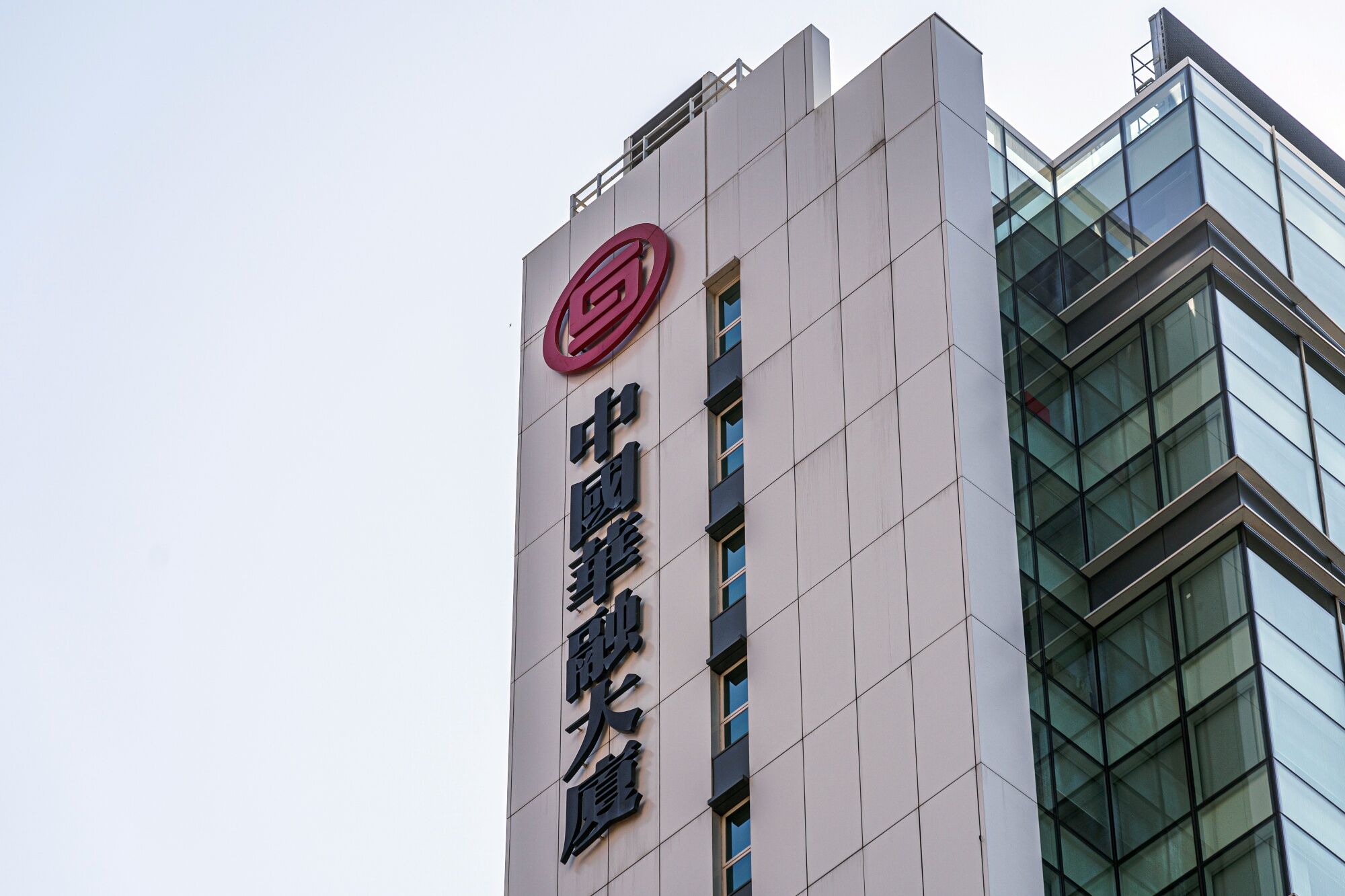
(Bloomberg) — China’s financial regulator said operations at the nation’s bad loan banks are stable, giving the first indication of the watchdog’s level of confidence amid growing speculation over the financial health of China Huarong Asset Management Co.
We can be “rest assured” that the various operating indicators at the country’s major bad loan managers are within the normal range, Xiao Yuanqi, a vice chairman of the China Banking and Insurance Regulatory Commission, said at a briefing on Friday responding to a question on Huarong.
He didn’t mention Huarong by name.
Silence from Huarong and regulators on the company’s plight have unnerved investors from Hong Kong to London who are seeking more details on its financial woes, its overhaul plan and the regulatory stance toward the fate of China’s largest state-owned distressed-loan manager.
Huarong, which is sitting on $42 billion in debt, has roiled Asian credit markets since it failed to meet a March deadline for releasing its 2020 earnings.
The company was already under a shadow after its former chairman, Lai Xiaomin, was executed earlier this year after being found guilty of bribery. Under his leadership, Huarong expanded into areas including securities trading and trusts in a significant shift away from the company’s original mandate of helping banks dispose of bad debt.
The company reiterated on Thursday it has “adequate” liquidity and has repaid all bonds that matured on time.
It has funds for a full repayment of a S$600 million ($450 million) offshore note due April 27, a person with direct knowledge of the company’s plan has said. Huarong’s onshore securities unit has wired funds to repay a local bond maturing Sunday, according to people familiar with the matter.
Bonds of the embattled bad-debt manager rebounded from record lows.
Still, that’s a drop in the ocean and won’t remove investor concerns.
Huarong has domestic and offshore debt equivalent to $42 billion, with $17.1 billion due by the end of 2022, according to Bloomberg-compiled data. Huarong counts Warburg Pincus, Goldman Sachs Group Inc., and Malaysia’s sovereign wealth fund among uts shareholders, according to data compiled by Bloomberg. The stock has collapsed 67% since its listing.
Hu Jianzhong, chief supervisor at Huarong, said at an event in Beijing on Friday that China will see more difficulties in bad-asset disposal market over the next three to five years as the volume of bad assets will rise while prices will fall.
Hu didn’t mention Huarong’s debt situation in the speech and declined to comment on the company’s bond repayment plan or the timing for its annual report on the sidelines of the event.
The nation’s distressed loan managers are facing mounting pressure as the pandemic has made it harder to dispose of assets, according to a closely watched survey by China Orient Asset Management Co. released on Friday.
Increasing credit losses at the managers themselves threaten to hurt profits and have adverse impact on their capital strength over the long term, China Orient, one the nation’s four state-owned bad loan banks, said in the report.
It also warned of growing difficulties to manage the maturity mismatch as their liabilities are mostly short-term.
Financial Industry
Separately, the regulator also revealed on Friday that Chinese banks saw their non-performing loans climb to 3.6 trillion yuan ($552 billion) as of March 31, up 118.3 billion yuan from the end of 2020. The NPL ratio eased to 1.89%, 0.02 percentage point lower than at the end of 2020.
With the coronavirus largely contained and the economy rebounding, Chinese policy makers have renewed a campaign to deleverage and curb risks, especially in the closely managed financial and real estate sectors.
Last year’s stimulus pushed debt to almost 280% of annual economic output.
The central bank last month asked major lenders to curtail loan growth for the rest of this year after a surge in the first two months stoked bubble risks, people familiar with the matter have said.
The economy accumulated much of its record debt pile after the global financial crisis, when it binged on credit to avoid the economic slumps ravaging the West.
Efforts in 2017 to restrain debt growth, especially in the shadow-banking industry, led to higher money-market rates and a slump in government bonds.
For more articles like this, please visit us at bloomberg.com
©2021 Bloomberg L. P.