
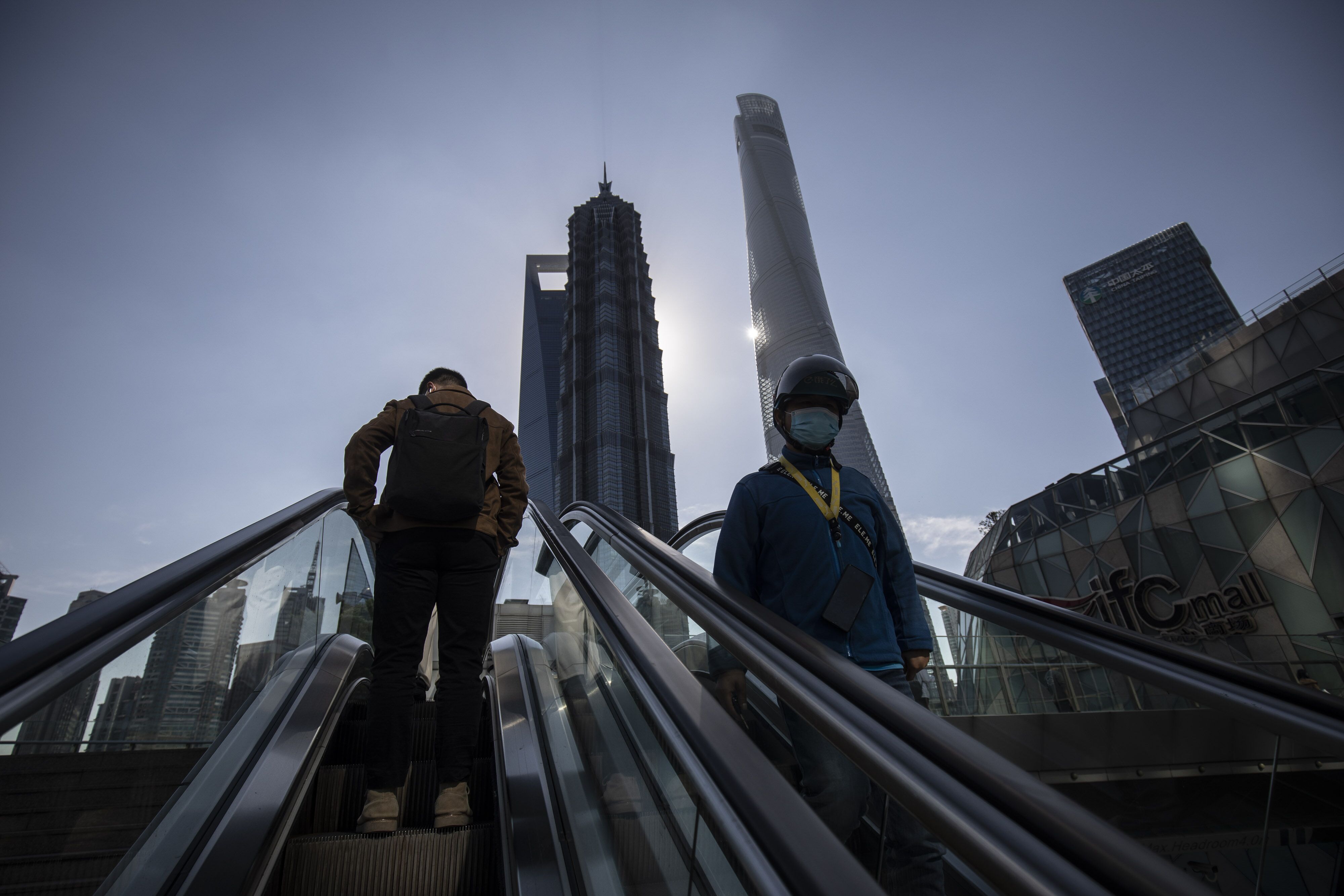
(Bloomberg) — Concern about a potential shortage of drinking water in Shanghai has sparked a rush for bottled water, the latest frustration for the Chinese financial hub of 25 million people already worried about virus outbreaks.
Shanghai took emergency measures to secure its water supply because contamination from the sea forced officials to cut delivery from two key reservoirs temporarily, the Beijing-based Caixin Global news outlet reported Tuesday night, citing city officials.
The Shanghai Water Authority said in a statement later that supplies for domestic and industrial uses were “stable” and it had no plan to stop or limit them.
It said that some reservoirs have been affected by saltwater since early September, but provided no other details.
Despite the assurance, Shanghai residents snapped up bottled water on Wednesday. It was sold out in some neighborhoods on major local online grocers such as Dingdong Maicai and Alibaba Group Holding Ltd.’s Hema. Bottled water was available at a grocery in a neighborhood in the Pudong district for a 20% markup.
Resident’s of Shanghai are already jittery due to fears the city could be locked down again as authorities struggle to stamp out Covid-19 outbreaks, and officials have ordered stepped up mass testing until early next month.
When the city was locked down for two months earlier this year, many people struggled to get food, deliveries of bottled water and other daily necessities.
Lockdown Worries Return to Shanghai, China Covid Tally Rises
Shanghai sits at the mouth of the Yangtze River, just a few meters above the East China Sea. It relies on four reservoirs for fresh water, including the Qingcaosha, which accounts for 70% of its supply.
The Caixin report said the Qingcaosha and Chenhang reservoirs have dealt with repeated saltwater inflows since the first two weeks of September, though the reasons for that happening were unclear.
A severe drought in the upper reaches of the Yangtze River in August, including the southwestern province of Sichuan, depleted reservoirs and led to a power crisis because hydroelectric dams had less water flowing through them.
From the start of July to late August, Sichuan had the lowest amount of rain since record-keeping began in the 1960s.
That left key reservoirs in the region with about 1.2 billion cubic meters of water by late August, 4 billion less than at the same time in 2021.
A dry spell in the Mekong Delta in 2016 devastated food supplies in southern Vietnam and threatened to reduce global exports of rice, seafood and coffee.
Waters in the delta were at the lowest in almost a century, meaning less for irrigating crops and an increase in salt levels as more seawater seeped into the delta, causing more damage.
More stories like this are available on bloomberg.com
©2022 Bloomberg L.
P.