
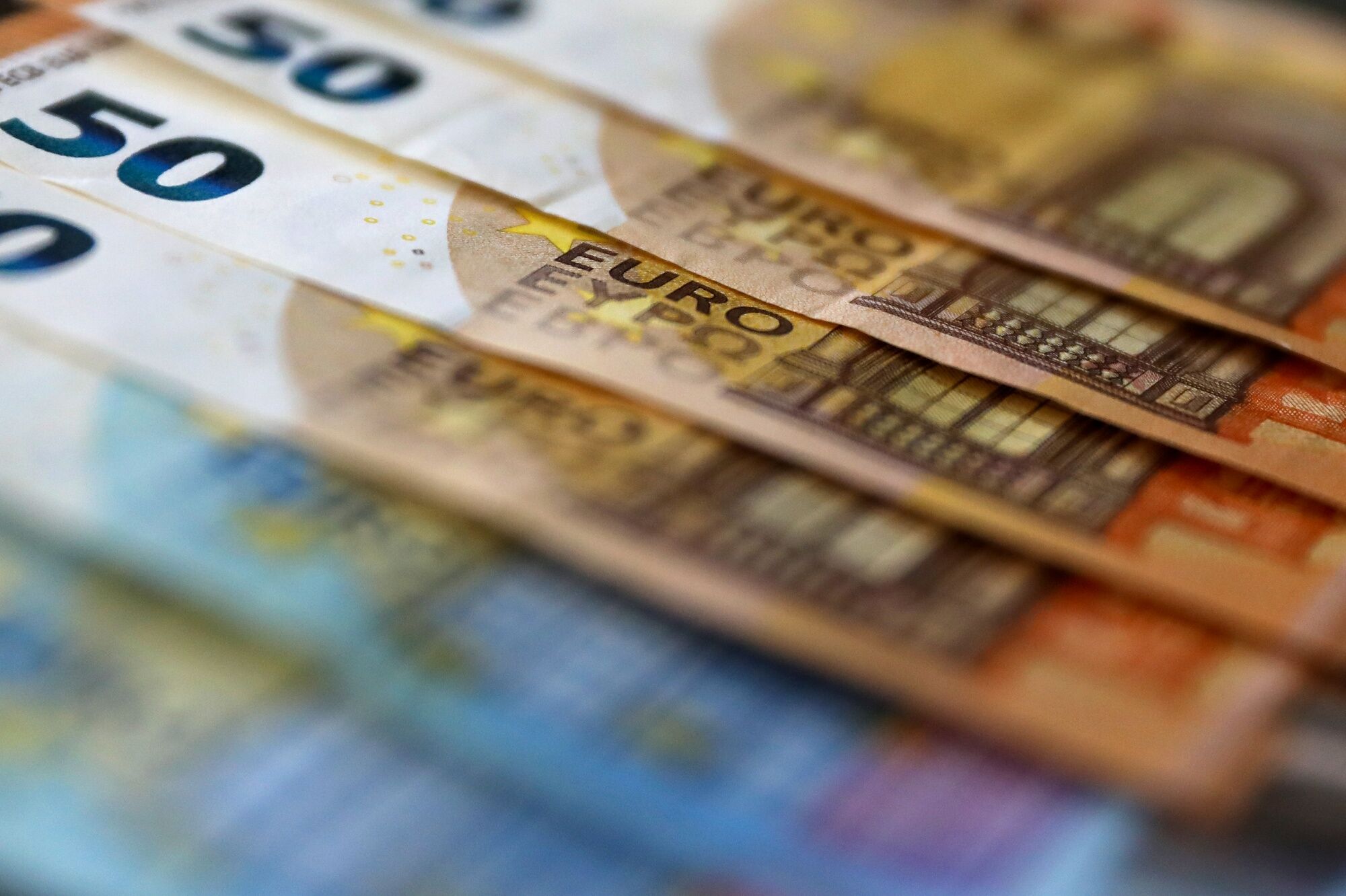
(Bloomberg) — The euro rose above $1.20 for the first time in more than two years as the dollar extended its five-month slide.
Europe’s common currency advanced as much as 0.6% on Tuesday to $1.2011, its highest since May 2018, before settling back to around $1.1950 as traders cited options-related selling around the day’s highs. Investors have been piling into the euro for weeks, with speculators holding a record bullish position in futures.
In contrast, the Bloomberg Dollar Spot Index touched a two-year low and only drew marginal support from stronger-than expected U. S. manufacturing data.
The euro has rallied around 11% since late March, when market turmoil started to gradually subside after a period of frenzy as the global economy ground to a halt in the wake of the coronavirus pandemic. The European Union’s policy response to the virus has supported the euro, while the Federal Reserve’s move to slash rates to zero and inject massive amounts of liquidity have undermined the dollar, in part by shrinking the U.
S. yield advantage.
“Euro-dollar may trade around the 1.20 level for a while,” said Chris Turner, a currency strategist at ING Groep NV. The move will be helped by “a broad dollar decline as U. S. real yields move deeper into negative territory.”
Just last week, the Fed announced a policy shift that’s likely to keep interest rates lower for longer and the greenback under pressure.
Ten-year U. S. real yields, which strip out inflation, are near record lows at about minus 1.1 percent.
And then there’s the U. S. election, which is now barely two months away, and which many analysts say could pose another headwind for the greenback.
“The U. S. election is providing further uncertainty over U. S. economic policy,” contributing to a weaker dollar, said Jordan Rochester, an FX strategist at Nomura International.
For Alan Ruskin, chief international strategist at Deutsche Bank, the euro rally has history on its side.
“From 2003 to 2018, the euro spent every year except one at least briefly touching the 1.20s,” he said. “So EUR/USD is doing nothing outlandish, it’s simply heading back to its comfort zone.”
(Updates with comments starting in fourth paragraph)
For more articles like this, please visit us at bloomberg.com
©2020 Bloomberg L.
P.