
(Bloomberg) — The German economy has passed the trough of its coronavirus recession and is starting to grow again, according to the Bundesbank.
Yet the recovery is still muted as some restrictions to rein in the spread of the pandemic remain in place, the institution said in its twice-annual economic projections. Output this year is forecast to shrink 7.1%, before bouncing back in the subsequent two years.
The rebound will be underpinned by sweeping fiscal stimulus.
Chancellor Angela Merkel unveiled a 130 billion-euro ($148) plan focused on fueling consumption and infrastructure investment this week, taking total spending to more than 1.3 trillion euros, by far the most in the European Union.
“Public finances are making a significant contribution to stabilizing the economy,” Bundesbank President Jens Weidmann said. “Additional stimulus is appropriate in the current situation and I welcome the package.”
The Bundesbank calculated that the latest dose of fiscal aid could boost GDP by more than 1 percentage point this year.
The European Central Bank also added some support on Thursday with another 600 billion euros in asset purchases that will stretch to the middle of next year.
Despite those efforts, it sees the 19-nation euro economy shrinking 8.7% in 2020.
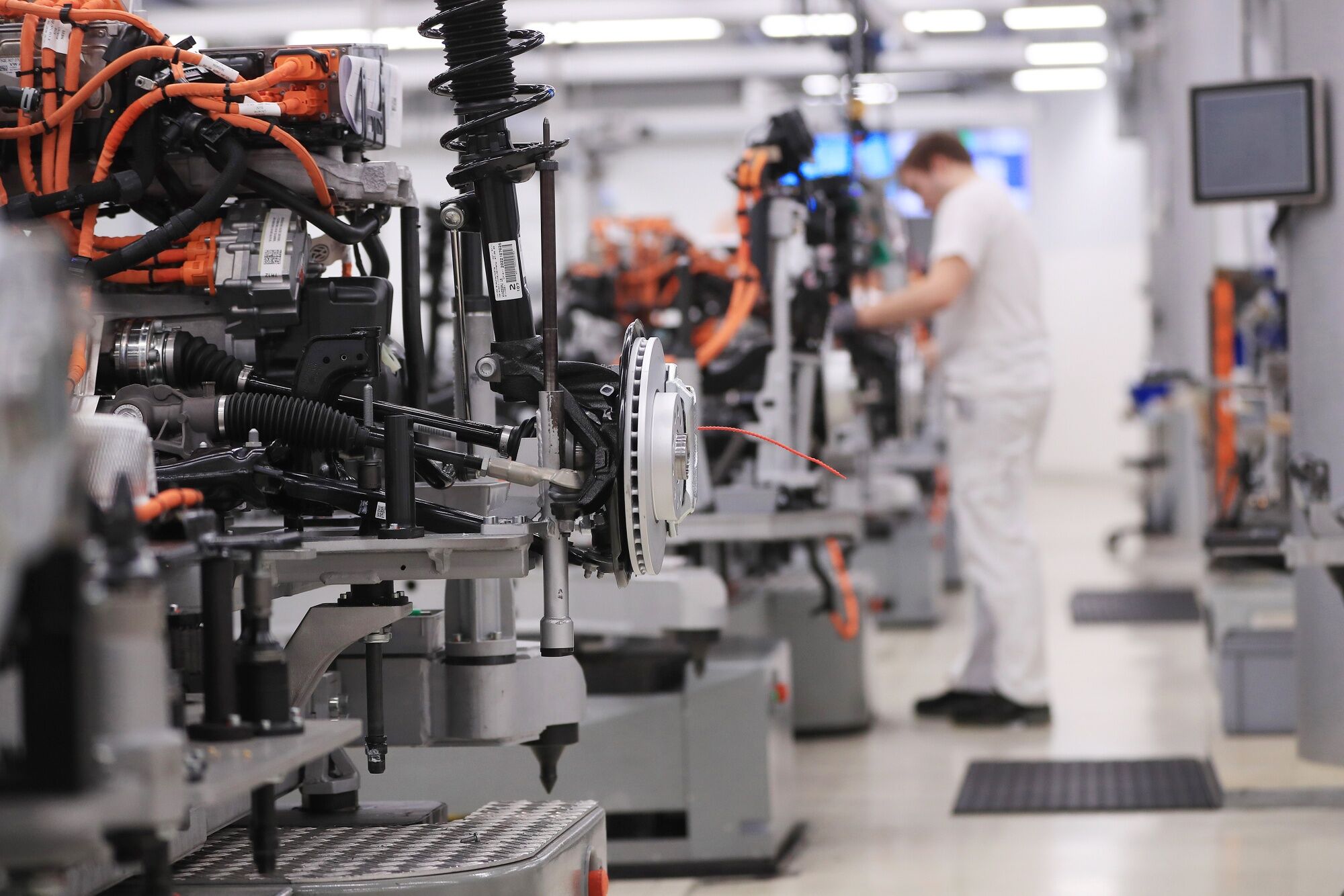
In April, German factories experienced a record decline in demand, underscoring the brutal hit Europe’s largest economy sustained from the shuttering of businesses to rein in the pandemic. Producers of investment goods suffered particularly, with orders plummeting more than 30%.
More than 600,000 people have already lost their jobs, and some 7 million more are on temporary state-wage support.
With public life slowly resuming across the country, businesses are counting on an improvement in the second half.
The Bundesbank doesn’t expect any large-scale damage to the labor market from the pandemic.
For more articles like this, please visit us at bloomberg.com
©2020 Bloomberg L. P.