
(Bloomberg) —
Germany will take its biggest step yet in relaxing curbs to contain the coronavirus, as the country prepares to open restaurants and all shops as well as restart professional soccer games.
Although many lockdown measures are being gradually phased out, social-distancing rules were extended until at least June 5, and restrictions may be reinstated locally if a hot spot emerges.
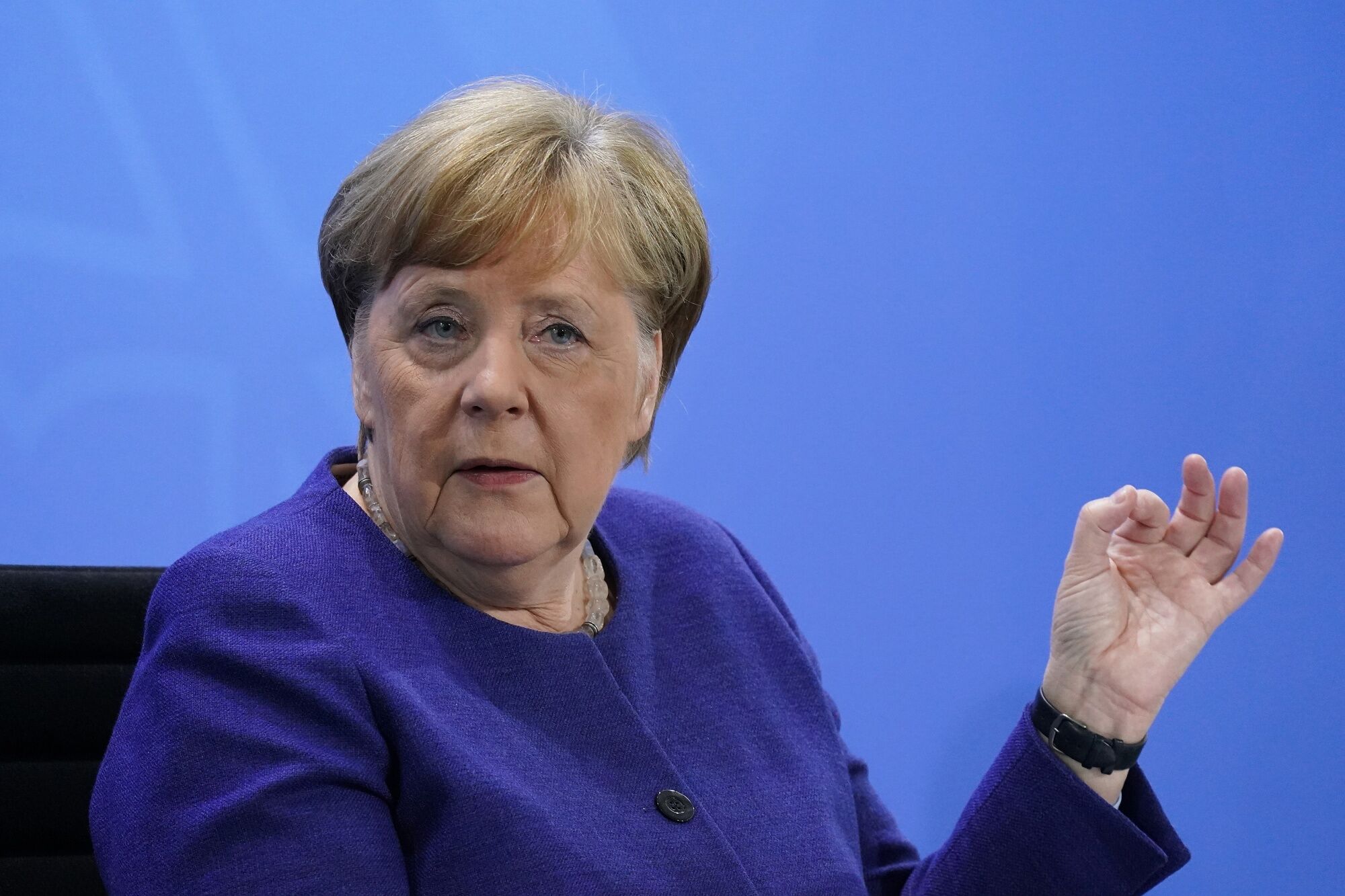
Chancellor Angela Merkel urged Germans to stick to limits on public contact to stem the risk of a second wave of infections.
“We can say today that we have the very first phase of the pandemic behind us,” Merkel said on Wednesday after talks with leaders of Germany’s 16 states, adding that the fight against the disease is still in its early stages. “We must be careful that things don’t derail.”
Under the plan, regional authorities will be given greater leeway to decide the pace of the moves.
The approach confirms what was happening in practice already as some state leaders jumped the gun with their own plans.
Bavaria’s Markus Soeder set the tone on Tuesday, announcing that larger shops and malls can reopen from next Monday in the southern state, with restaurants following on May 25 and hotels from May 30.
The measures include plans to allow childcare facilities and remaining stores to resume operations.
Late last month, some small shops, hardware stores and car dealerships were allowed to resume trading, while this week hairdressers reopened and schools have restarted for some students.
Merkel, who has pushed for a cautious step-by-step approach, has been under pressure to speed up the country’s exit from the curbs that brought business activity in some sectors to a virtual standstill. The economy is forecast to shrink by 6.3% in 2020, more than even during the financial crisis a decade ago, according to government projections.
The chancellor reaffirmed that Germany plans an economic stimulus program, which will be discussed in early June.
Germany has won praise for its swift response to the pandemic and is following countries like Austria and Denmark, which were similarly successful in containing the virus, in reactivating the economy.
Nations including Italy and Spain that were much harder hit are likely to take longer to return to some semblance of normality.
Germany tightened criteria on when curbs would be reinstated. If there are more than 50 new infections per 100,000 inhabitants in a given region, then local restrictions would need to be implemented to prevent the disease from spreading, Merkel said.
“If infections go up somewhere, then we have an emergency mechanism and then the entire country doesn’t have to go back, but only individual regions,” she said.
The number of new coronavirus cases in Germany rose Wednesday for the first time in six days, according to data from Johns Hopkins University.
Restaurants can welcome customers for the first time in weeks starting as soon as Saturday, but they will need to make sanitary provisions, allow for sufficient distancing between patrons and take steps to protect their staff from infection.
Similar rules will be in place for schools and other businesses, and Bundesliga soccer matches will be held beginning in the second half of May.
“Every measure of freedom needs to be used by every individual responsibly,” said Merkel. “We have it somewhat under control.”
(Updates with comments from Merkel, details of plan)
For more articles like this, please visit us at bloomberg.com
©2020 Bloomberg L.
P.