
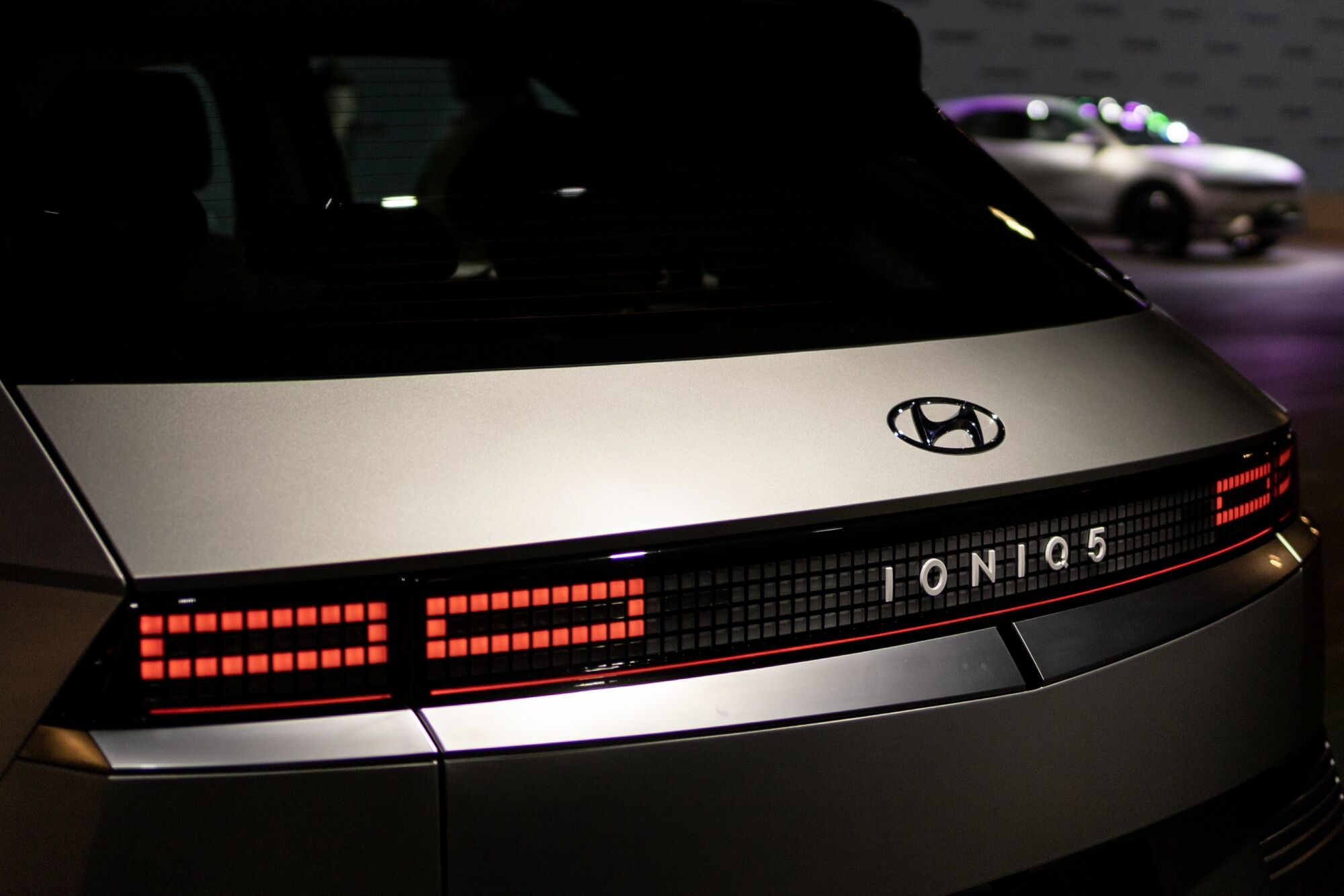
(Bloomberg) — Hyundai Motor Co. will invest 10.5 trillion won ($8.5 billion) over the course of 2023, according to an exchange filing Thursday, as it moves to electrify more of its fleet to sate rising consumer demand for cleaner cars.
The South Korean automaker is also targeting revenue growth of as much as 11.5% this year after posting fourth-quarter earnings that beat analyst estimates.
Hyundai also increased dividends in an unusual move for the carmaker.
The maker of Tucson SUVs, Sonata sedans and Ioniq electric vehicles earlier this month said it aims to sell 4.3 million cars globally this year, or about 10% more than last year. Affiliate Kia Corp., the maker of Sportage SUV and the Carnival people-mover, is also targeting growth of 10% for 2023, for a total of 3.2 million vehicles.
Combined, Hyundai and Kia rank as the world’s third-largest carmaker behind Toyota Motor Corp. and Volkswagen AG.
Carmakers from Tesla Inc. to VW are boosting production. Elon Musk’s EV pioneer plans to increase output “as quickly as possible” after posting better-than-expected profits, it said Wednesday in the US. Toyota meanwhile earlier this month forecast vehicle production will exceed pre-pandemic levels, expecting output of as many as 10.6 million vehicles this year.
VW predicted existing orders will boost sales this year.
Read more: Now the No. 3 Carmaker, Hyundai Takes Aim at Toyota, Volkswagen
Hyundai on Thursday also raised its cash dividend to 3.8% for holders of its common stock and 7.6% for preferred shareholders. The payout for 2023 will be similar or higher than 2022, it said.
Operating profit for the three months ended Dec. 31 more than doubled to 3.4 trillion won from a year earlier, the Seoul-based company said Thursday.
That topped the 3.1 trillion won average analyst estimate, according to data compiled by Bloomberg. Quarterly sales jumped to 38.5 trillion won, up 24% from the previous year.
In the North America, where Hyundai is negotiating to ease concerns over President Joe Biden’s climate and energy bill that requires carmakers to assemble EVs in the country to be eligible for tax credits, sales dropped 20.9% in the fourth quarter.
Hyundai and Kia say the law puts them at a disadvantage because they don’t have any EV plants in the US.
Read more: US to Find Ways to Assuage Hyundai Motor’s Concerns on EV Rules
Sales in China for the three-month period slumped 19% while those in Europe were little changed.
Hyundai is also grappling with its plant in Russia, where it halted operations in early 2022 following Vladimir Putin’s invasion of Ukraine.
Sales in Russia plunged 65% last quarter in the country, a blow for the automaker that used to get 4% of its global output there.
More stories like this are available on bloomberg.com
©2023 Bloomberg L. P.