
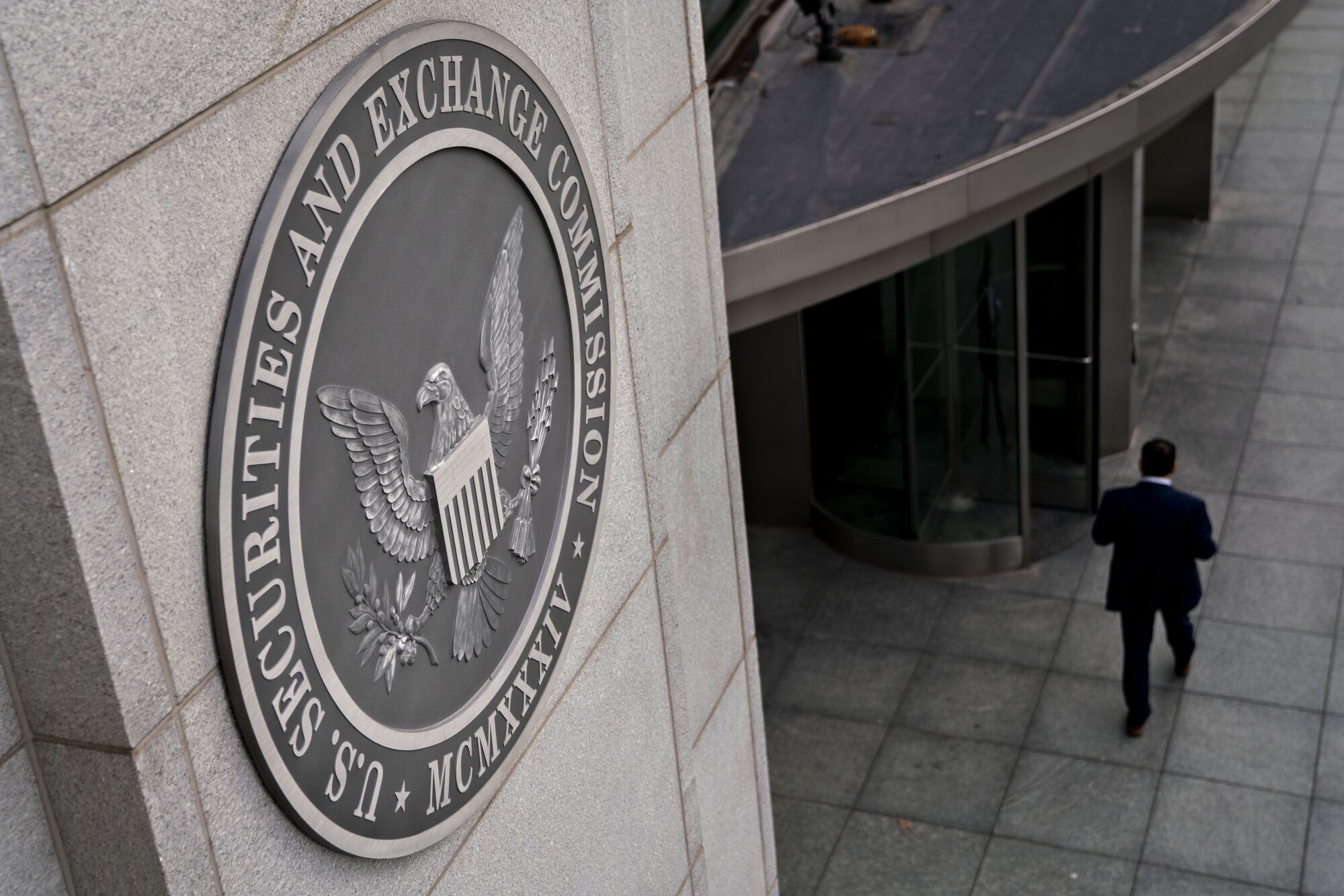
(Bloomberg) — U. S. regulators are throwing another wrench into Wall Street’s SPAC machine by signaling changes for how accounting rules apply to a key element of blank-check companies.
The Securities and Exchange Commission last week began privately telling accountants that warrants, which are issued to early investors in the deals, might not be considered equity instruments, according to people familiar with the matter.
The communications mean that filings for new special-purpose acquisition companies may not go forward until the warrants issue is addressed.
The discussions, which haven’t been announced publicly, mark the latest effort by the SEC to clamp down on the white-hot SPAC market. For months, the regulator has been raising red flags that investors aren’t being fully informed of potential risks associated with blank-check companies, which list on public stock exchanges to raise money for the purpose of buying other entities.
“The SEC indicated that they will not declare any registration statements effective unless the warrant issue is addressed,” according to a client note sent by accounting firm Marcum that was reviewed by Bloomberg. “The SEC also indicated that they expect to publish guidance ‘soon.’”
The SEC didn’t immediately respond to a request for comment.
In a SPAC, early investors buy units, which typically includes a share of common stock and a fraction of a warrant to purchase more stock at a later date.
They’re considered a sweetener for backers and have thus far been considered equity instruments for accounting purposes.
The proposed changes could result in warrants being considered a liability for accounting purposes, according to the Marcum note. The shift would spell a massive nuisance for accountants and lawyers, who are hired to ensured SPACs are in compliance with the agency.
A pipeline of hundreds of filings for new SPACs could be impacted, according to people familiar with the matter, who asked not to be named because the changes haven’t yet been made public.
SPACs that are already public and that have struck mergers with targets may have to restate their financial results, the people said.
For more articles like this, please visit us at bloomberg.com
©2021 Bloomberg L. P.