
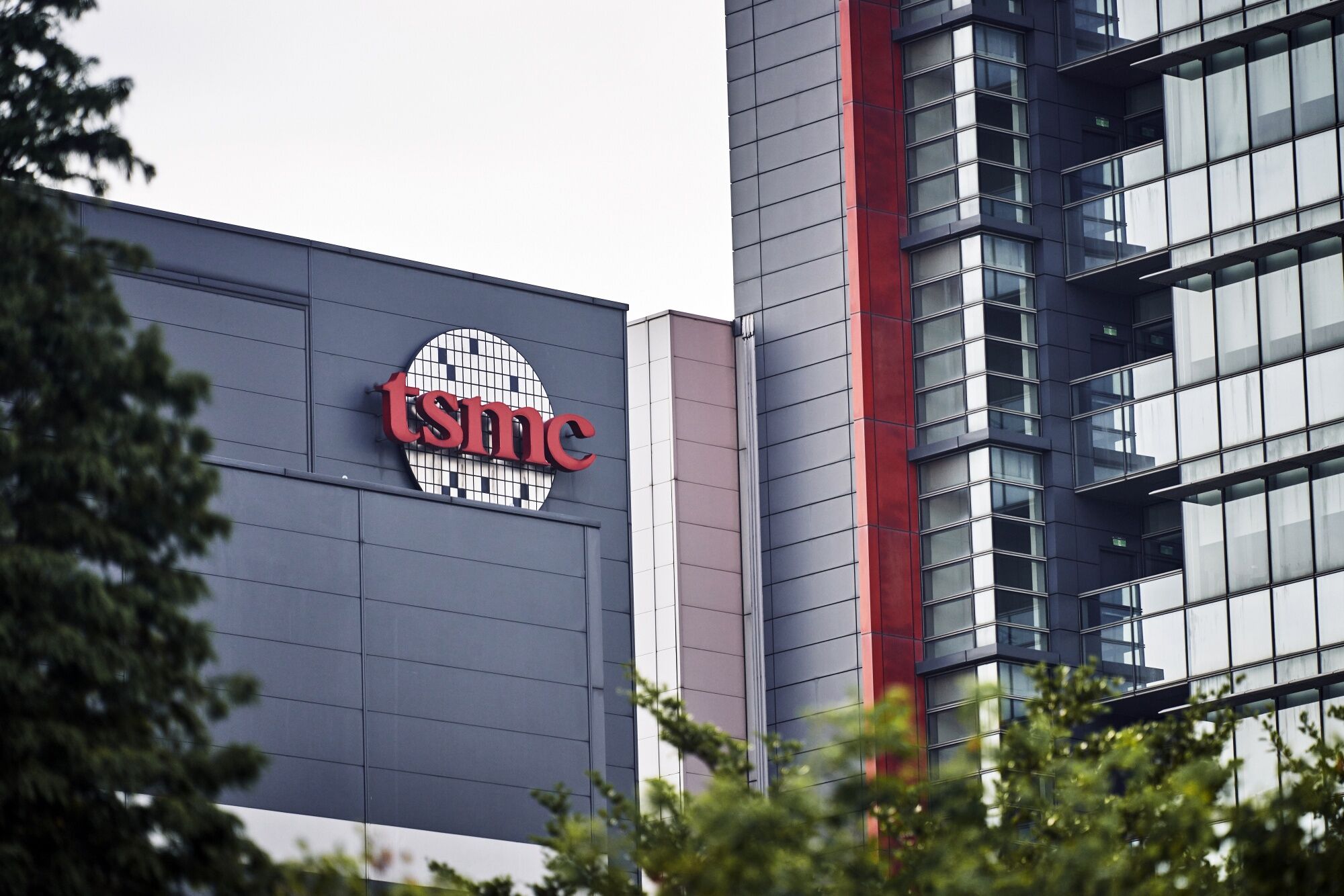
TSMC Profit Beats Estimates With Boost From AI Chip Demand
(Bloomberg) — Taiwan Semiconductor Manufacturing Co. posted better-than-expected net income in the third quarter after demand for artificial intelligence chips remained strong.
The Hsinchu-based company said profit was NT$211 billion ($6.5 billion), versus an average of analyst estimates of NT$190.4 billion. That was aided by the declining value of the Taiwanese dollar during the period, and a better-than-feared 11% slide in revenue as previously reported.
The company spent $25.2 billion on upgrading and adding capacity during the first nine months of the year, a pace that could push 2023 capital spending to the lower end of its current $32 billion to $36 billion target.
TSMC, the primary supplier of Nvidia Corp.’s AI accelerator chips, has been a major beneficiary of the frenzy sparked by the advent of ChatGPT late last year. Even with a sluggish global economy, companies are rushing to build their own artificial intelligence tools and TSMC’s capacity to produce and package the relevant chips will be constrained deep into 2024, the company has said.
The US government’s tightening of restrictions on the sale of AI chips to China is front of mind for tech investors, though it’s unlikely to have a material impact on TSMC, according to Bloomberg Intelligence analyst Charles Shum.
The new constraints could reduce manufacturing orders to TSMC from US chip designers such as Nvidia for certain AI chips in the medium to long term.
A day before TSMC’s report, Dutch chipmaking gear supplier ASML Holding NV reported a big drop in order bookings for the September quarter. TSMC is one of ASML’s biggest customers and its slower spending was reflected in ASML’s results, portending a potential cut in capital expenditure by the Taiwanese firm.
The company also makes Apple Inc.’s iPhone chips, and demand for consumer gadgets has been affected by the downturn and China’s uneven recovery from Covid lockdowns.
Still, fellow supply chain bellwether Murata Manufacturing Co. said this week the smartphone market has bottomed out and will resume growth this year.
(Updates with nine-month capex from the second paragraph)
More stories like this are available on bloomberg.com
©2023 Bloomberg L. P.