
(Bloomberg) — The U. S. backed down from a high-profile confrontation with Harvard University, MIT and hundreds of other colleges over foreign-student visas, ending a standoff that could have sent thousands of students back to their home countries and left schools scrambling to plan for the fall.
U. S. District Judge Allison Burroughs on Tuesday announced that the government had agreed to rescind a new policy requiring international students to take at least one in-person class, even amid the resurgent coronavirus pandemic.
The hearing followed a separate lawsuit by 17 states and a dozen multi-party “friend of the court” briefs filed in support of the schools from universities, trade groups and some of the country’s biggest tech companies.
In the end, the government agreed to rescind the July 6 directive, the question-and-answer document it issued the next and any implementation of the new guidance, returning to a March 9 policy permitting the students to take online-only classes during the health crisis.
Neither U.
S. Immigration and Customs Enforcement nor the White House immediately responded to emails seeking comment on the resolution.
Schools can now resume planning for the fall semester, said Terry Hartle, senior vice president of government and public affairs for the American Council on Education, which represents more than 1,700 colleges and trade groups.
“Colleges and universities can get back to the business of reopening higher education,” Hartle said. “Their education plans for the fall can continue unabated.
This is unreservedly good news.”
The deal averts a chaotic spell for the thousands of international students who have been stuck in the U. S. pending a resolution and means schools won’t have to find workarounds so international students can stay, he said.“The overwhelming negative reaction to this proposal in a very short period of time shows that the administration really struck a nerve with this,” Hartle said.
In Tuesday’s hearing, which was attended by hundreds of journalists and others online but lasted only minutes, the judge asked Assistant U.
S. Attorney Rayford Farquhar if she had described the case’s resolution correctly.
“That is correct, your honor, no change,” he replied
“The motion is mooted,” Burroughs declared. “The hearing will be adjourned.” Praising the lawyers for an “extremely high level of competence,” she added, “Thank you all for making this as easy on the court as it could have been.”
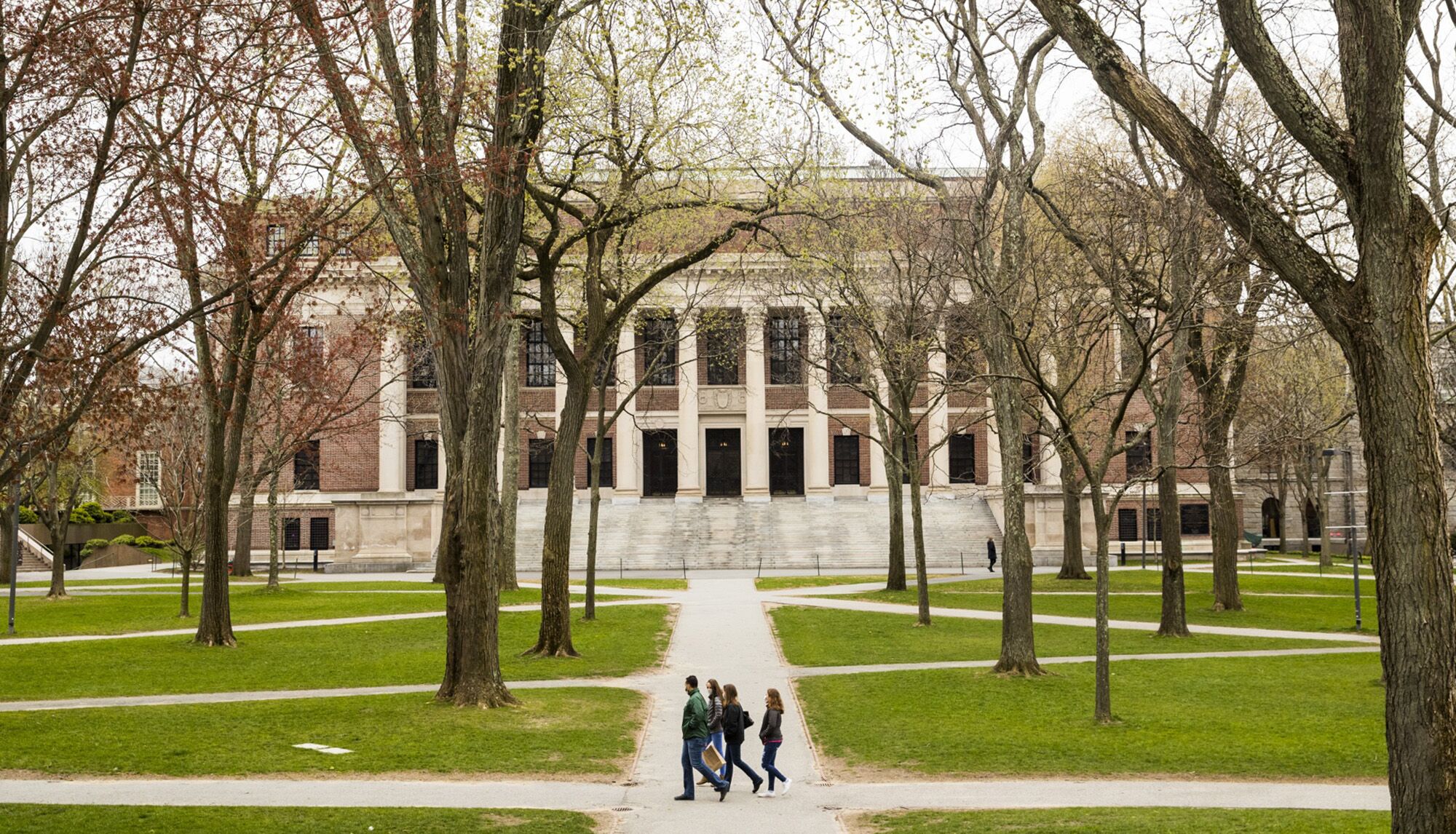
Harvard is conducting almost all its classes online in the fall semester, while MIT has a hybrid model.
The two said in a lawsuit filed last week that the government had failed to consider the harm to students from the new directive. They also noted the impact on businesses, pointing to the role foreign students play in American innovation, and on the U. S. gross domestic product, citing “the loss of the tens of billions of dollars that international students contribute to U. S. GDP each year.”
They acknowledged that some students could, in theory, take part in online classes from their home countries, but not without serious disruption.
They cited time zone differences, unreliable or state-managed Internet and armed conflict in some of the students’ homelands.
The new policy also stirred widespread concern at colleges that reap billions of dollars in revenue from international students each year at a time when some schools are issuing refunds over closures amid the pandemic and as public university systems see decreased state funding.
ICE said in court filings that it weighed the impact on students before it issued the new guidance, choosing not to simply go back to its earlier strictures.
Before the pandemic, international students on F-1 visas were required to take most of their classes in person, allowed only a single online course per semester.
After the virus appeared and some universities stopped offering in-person classes, ICE adjusted its rules “for the remainder of the emergency,” allowing fully online coursework.
Last week’s new order ratcheted that back, requiring students at colleges that have announced online models, including Harvard and the California State University system, to transfer or go back to their home countries.
ICE also contended that a full slate of virtual coursework compromised national security by giving foreign students free rein within the U.
S., and says a freeze would undermine “the deference afforded administrative agencies in complex and interrelated fields like immigration enforcement.”
(Updates with details and analysis)
For more articles like this, please visit us at bloomberg.com
©2020 Bloomberg L. P.