
(Bloomberg) — The US has decided to support formal UN negotiations over possible compensation and assistance to countries that suffer devastation from storms, floods and droughts made far worse by climate change, senior administration officials said on Wednesday.
The decision adds to a growing focus on what diplomats term “loss and damage,” a mechanism by which wealthy nations responsible for most planet-warming emissions might address the climate damage suffered by developing countries.
But while the US is supporting dialogue on the issue, the officials said US negotiators at next month’s UN climate summit in Egypt are discouraging any explicit push for new aid or funding in an agenda item framing the talks.
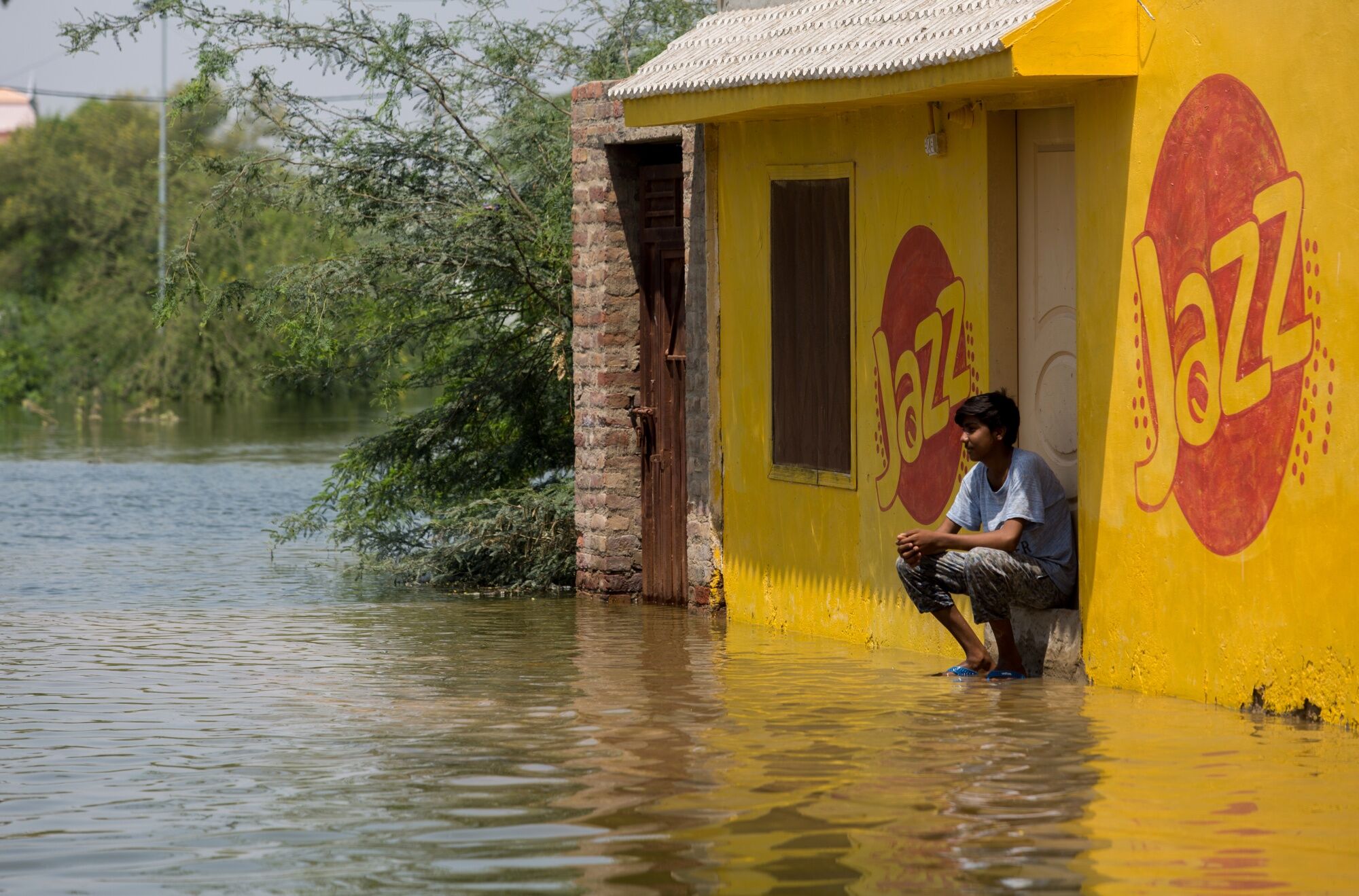
That would put the US at odds with a large group of vulnerable nations which will be led at the talks by Pakistan, where floods have left more than 1,700 dead and caused some $30 billion in losses.
Pakistan’s plight has given the politics of loss and damage a new urgency. Unprecedented monsoon flooding over the summer vividly illustrated the toll wrought by centuries of unchecked greenhouse gas emissions.
Pakistan is responsible for little of the pollution that’s caused global temperatures to rise, and it’s gained little from the economic growth enjoyed by wealthier nations, such as the US, which have consumed most of the fossil fuel over the past 200 years.
Yet Pakistan and other developing countries are left to bear the brunt of the impact on the climate — and pay the steep cost.
Long-simmering fights over how, or even if, wealthy nations should pay for the devastation will likely dominate at COP27, as the climate summit is known. Members of the largest negotiating bloc, known as G-77+China, have been insisting on a formal discussion of loss and damage.
And the emerging US position would make good on promises of a “dialogue” made as part of last year’s climate negotiations in Glasgow. The US favors language on addressing financial arrangements for averting, minimizing and addressing loss and damage, according to senior administration officials, with a chance to hash out possible options.
- MORE: A New Era of Climate Disasters Revives Calls for Climate Reparations
That falls short of the demands of some vulnerable countries for a more concrete result.
At last year’s COP26 summit, developing nations unsuccessfully sought a new international facility for managing loss-and-damage resources and delivering technical assistance to nations struggling through disasters. Now they are pushing even harder.
The Alliance of Small Island States, for example, is expected to put forward a proposal at COP27 that would create a “loss and damage response fund,” a step beyond the facility proposed last year.
The EU has also voiced support for making the issue part of the formal COP27 negotiating agenda in Egypt — a “step forward” that should allow negotiators to begin “actually defining what loss and damage is and how we can solve these issues,” European Commission Executive Vice President Frans Timmermans told reporters last month. “What we need to do is start a discussion about what is it and how do you address it.”
A big diplomatic breakthrough on loss and damage remains unlikely, particularly since the UN climate summit requires consensus among all participating nations. Even an agreement to set up a mechanism for compensation wouldn’t guarantee money becomes available.
A commitment made by rich nations to contribute $100 billion each year in climate-related financing has never once been fulfilled, and donor countries appear reluctant to support climate-finance programs because of concerns over corruption and waste.
(New details in ninth paragraph about the EU’s support for loss and damage discussions.)
More stories like this are available on bloomberg.com
©2022 Bloomberg L.
P.