
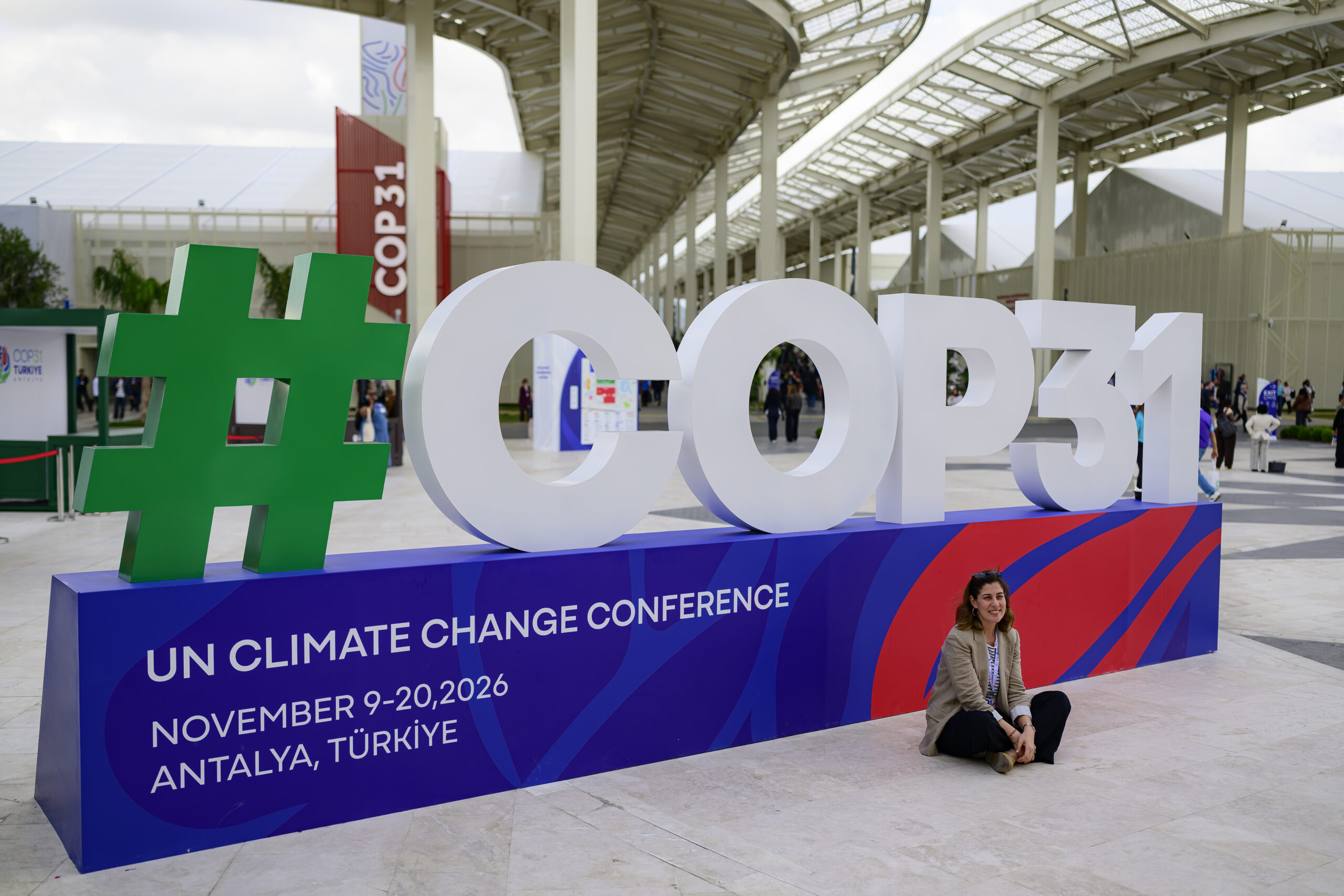
UN climate talks enter crunch time with no deal in sight
The UN’s COP31 climate talks entered their endgame Friday, with countries sharply divided over a draft deal lacking any mention of planet-heating fossil fuels, threatening to push the negotiations into overtime. A downpour added to the somber mood in the Turkish Mediterranean city of Antalya as negotiators from nearly 200 countries struggled to bridge their differences after two weeks of intense talks, which could spill into the weekend.”At this point, no one is happy,” Brazil’s national secretary for climate change, Aloisio Lopes Pereira de Melo, told reporters with only hours before the conference’s official end.
The talks come with a series of stark reminders of the urgency of climate action, from heatwaves in Europe and devastating floods in Nepal to a record-breaking El Nino wreaking more havoc around the world. But expectations of a major breakthrough have been low at COP31 as countries cope with an oil price shock and geopolitical tensions stemming from the war in Iran. A sprawling initial draft deal earlier this week included calls to accelerate action to phase out fossil fuels, along with other flashpoints topics such as finance and climate science.
But a new, shorter version released by COP31 co-host Australia on Thursday omitted any mention of oil, gas and coal — the main drivers of climate change — sparking an outcry from environmental groups. – ‘Fossil COP’ – An EU official, speaking on condition of anonymity, told AFP that the latest draft was “not acceptable and not ambitious enough”.”We don’t want this COP to become a ‘fossil’ COP,” the official said.
Some countries also objected to a call to scale up carbon capture, utilisation and storage (CCUS) — a costly, still-developing technology that critics say allows polluters to continue burning fossil fuels.”We’re quite disappointed by the text,” Vanuatu’s Climate Minister Ralph Regenvanu told AFP. “We want to see transition away from fossil fuels reflected (in the text). … We want to see the references to false solutions removed,” he said, referring to CCUS.
Decisions at COPs must be agreed by consensus and Panama has vowed to block any deal that omits a cap on global oil production, among other demands.”We are very respectful of every opinion and every delegation. And we demand equal respect for our position,” Panamanian Environment Minister Juan Carlos Navarro told AFP before heading into a meeting with the COP31 presidency. In a letter to delegations, the COP31 co-hosts said a third draft of the “cover decisions” would be released “later” on Friday. – Electrify the economy – Nations agreed at COP28 in Dubai in 2023 to transition away from fossil fuels, without setting targets or timelines.
Oil-producing countries have fiercely resisted any attempt to bring the issue back to the table, with last year’s summit in Brazil ending without any mention of fossil fuels. COP31 host Turkey has instead pushed for countries to join a voluntary pledge to increase the global share of final energy demand met by electricity to 35 percent by 2035. The draft deal includes a nod to the Turkish initiative, saying that taking steps to electrify the global economy could have “significant benefits” in shoring up energy security and cutting planet-heating greenhouse gas emissions.
Some countries are concerned the text as written does not explicitly require that extra electricity be powered by clean energy and not coal or gas. – Climate science – A fight over climate science has also emerged at COP31. The timing of the next set of reports by the UN’s Intergovernmental Panel on Climate Change (IPCC) has been a source of considerable friction. The latest text underscores the “importance” of the IPCC.
Dozens of countries want the IPCC’s next assessments available before a global review of carbon-cutting efforts in 2028. A smaller number of nations, including Saudi Arabia and India, want them postponed until 2029. The draft also expresses “deep concern” about the imminent breach of the 1.5C temperature goal set under the 2015 Paris accord. An age-old fight over money also has yet to be resolved.
Rich nations have resisted calls to increase support for countries struggling to adapt to climate change, citing budget constraints and insisting that big emerging economies such as China also contribute. The draft proposes further discussions toward “tripling” finance for climate adaptation measures by 2035, but drops a $120-billion goal being sought by developing nations.
Fri, 20 Nov 2026 09:09:28 GMT