
Danish PM’s left-wing bloc leads election, but no majority
Danish Prime Minister Mette Frederiksen’s Social Democrats looked set to win Tuesday’s general election, despite the party’s weakest showing in more than 120 years as the left bloc was seen falling short of a majority. With 88 percent of votes counted, projections credited the left bloc with 84 seats in the 179-seat parliament and the right with 77, with 90 seats needed for a majority.
If the results are confirmed, the centrist Moderate party, headed by Foreign Minister Lars Lokke Rasmussen, could become the kingmaker, with 14 seats. Four additional overseas seats held by Denmark’s two autonomous territories — two for Greenland and two for the Faroe Islands — could also tip the balance if the election result is very close. Thorny negotiations are expected in the coming days and weeks to build a coalition government backed by a majority in parliament.
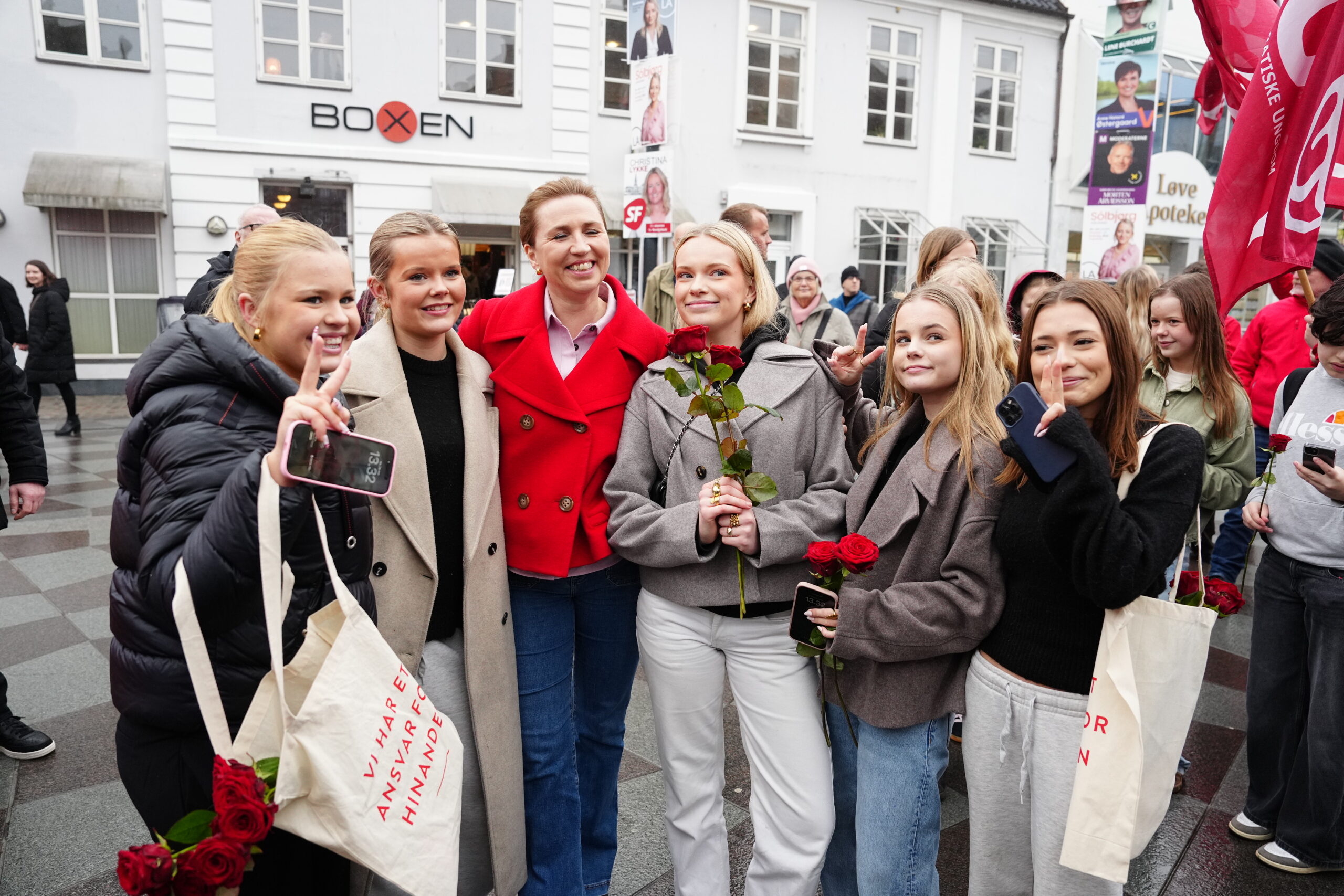
Frederiksen, seen as the favourite going into the elections, has been praised for her leadership after fending off US President Donald Trump’s repeated demands to annex Greenland, a Danish autonomous territory he claims the United States needs for national security reasons. The prime minister, who has been in office since 2019, spent part of election day in Aalborg, her electoral stronghold in the country’s northwest, with Greenlanders living in Denmark.
Traditionally Denmark’s biggest party, the Social Democrats were credited with just 21 percent of votes, down from 27.5 percent in 2022 and which, if confirmed, would be their lowest score since 1903. All three parties in Frederiksen’s unprecedented left-right government were seen losing support. Green Left leader Pia Olsen Dyhr said meanwhile that her party’s “historic” strong score — projected to become the second-biggest party on the left — showed Danes had given them a mandate and she was “ready to negotiate”.”We must prioritise welfare, we must prioritise the green transition.
And if we can’t do that, then we will not enter government. Then we will be in opposition.”- ‘Serious situation’ -The anti-immigration Danish People’s Party, which has heavily influenced policy since the late 1990s but slumped in the 2022 election, meanwhile more than tripled its score to around nine percent of votes.”A tripling of votes is a remarkable expression of the Danish people in support of my party,” party leader Morten Messerschmidt told AFP.”We are all awaiting now what’s going to happen in France, we are awaiting what’s happening in Hungary, in the Netherlands and not least of course the United Kingdom with Nigel Farage.”The election campaign has generated more interest than usual in Greenland, where 27 candidates vied for the two seats.”I think it’s the most important election for the Danish parliament in Greenland in history,” Greenlandic Prime Minister Jens-Frederik Nielsen told AFP in Nuuk.”We are in a time where we have a superpower trying to acquire us, take us, control us,” he added, stressing that the territory still found itself in a “serious situation”.”I think the most important thing that all the parties in Greenland have agreed on is that we need to work together, whoever gets elected for the parliament,” he said.
But Greenlandic voter Lars did not share the view that Greenland’s parties stood united, saying he kept seeing divisions play out on social media.”Everybody is fighting. Greenlanders are fighting. It’s terrible,” the lawyer told AFP. Greenland’s main political parties all want independence from Denmark, but differ on the pace of the separation.- ‘New beginning’ -In Denmark, the row over the vast Arctic island has not been central in the campaign.
In the wealthy nation of six million people, the campaign instead focused on domestic issues, including inflation, the welfare state and high nitrate levels in water from agriculture.”I think that the centre government has not ensured clean water in Denmark. They have not ensured that we have invested in welfare instead of taxation reliefs,” Dyhr told AFP after casting her vote. Immigration has also been a hot topic.
As prime minister, Frederiksen has advocated further tightening migration policy in order to quell support for the far right. She has defended as “fair” a proposal to deny non-essential health care to people of foreign origin who threaten medical personnel.
Tue, 24 Mar 2026 22:01:02 GMT