
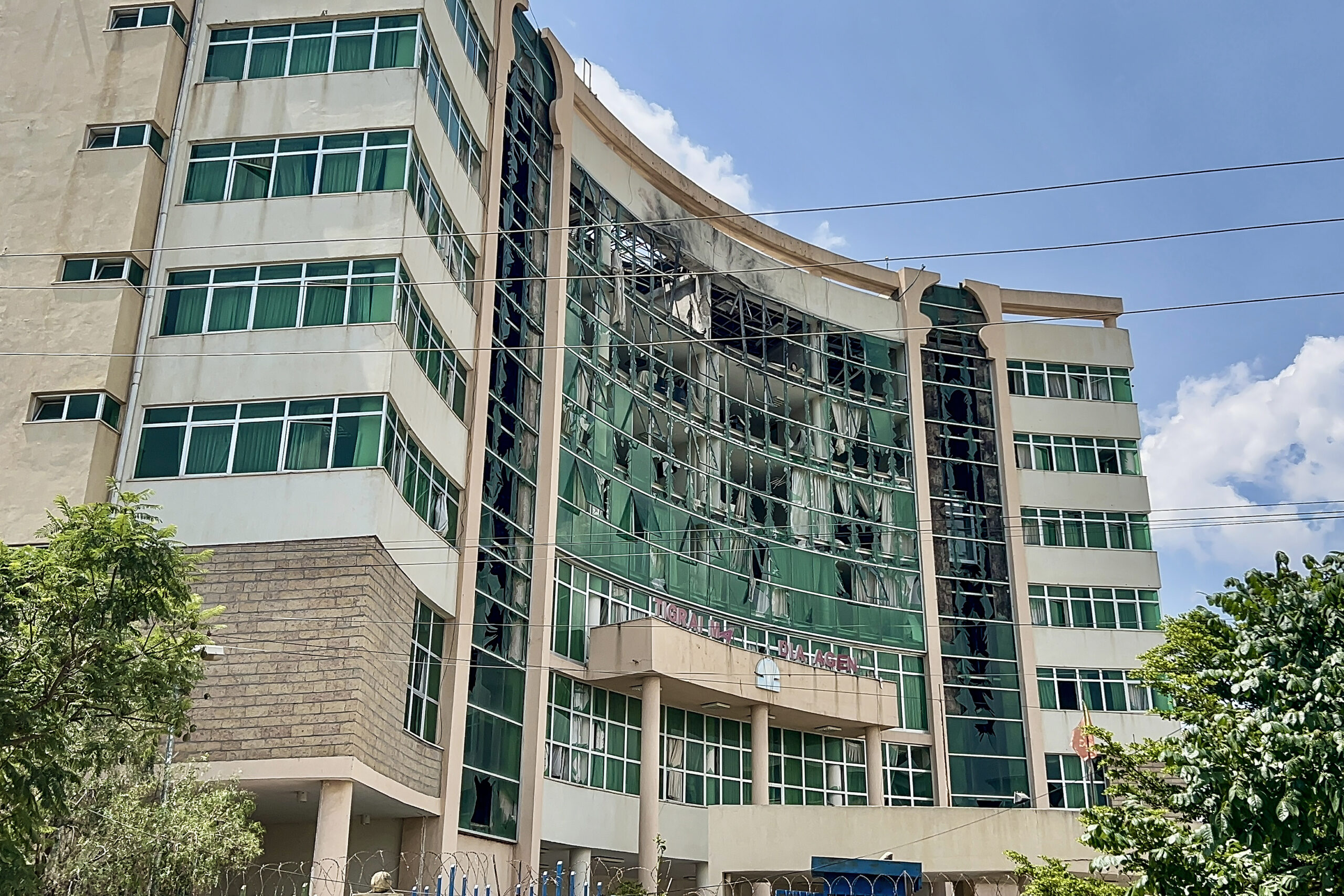
Ethiopia Tigray rebels pushed back as regional tensions spike
Ethiopia’s Tigray rebels have been pushed out of a neighbouring state by a government counter-offensive, a humanitarian source said Friday, but the conflict has triggered a breakdown in the country’s relations with Eritrea and Egypt. Fighting erupted last week in northern Ethiopia as the rebel Tigray People’s Liberation Front (TPLF) launched attacks into the states of Afar and Amhara, raising fears of a return to the devastating 2020-2022 civil war.
The government accuses Eritrea of supporting the TPLF, and the two countries broke diplomatic relations on Thursday. Ethiopia expelled 10 Eritrean diplomats and shut its embassy in Asmara, while Eritrea responded that it would “sever all diplomatic ties”. Ethiopia also expelled an Egyptian diplomat without explanation, prompting a reciprocal move by Cairo. The two were already at odds over Addis Ababa’s new Nile mega-dam, with Egypt strengthening ties with Eritrea in recent months.
Eritrea has long feared landlocked Ethiopia plans to invade and seize access to its coastline. The TPLF’s leader, Debretsion Gebremichael, said in a video published late Thursday that “the war is regional and it is a war to control the Red Sea”. The African Union, based in Ethiopia, said it was “following with concern the heightened tensions between Ethiopia, Eritrea and Egypt”, urging “maximum restraint”.- Frontlines -On the frontlines in northern Ethiopia, there were signs that the Tigrayan rebels were being pushed back.”The TPLF is out of Afar as of yesterday.
The humanitarian situation has little changed as they raided and destroyed as they left and there is no access to food in the north,” a humanitarian source in Afar told AFP, speaking on condition of anonymity. Conflict monitor ACLED said pro-government forces had retaken control of the Afar towns of Abala, Erebti and Megale, while the Critical Threats Project, part of the American Enterprise Institute think tank, said the Ethiopian military had “largely repelled the rebel offensive”.
The government is now engaged in a counter-offensive pushing into Tigrayan territory along three axes towards the regional capital, Mekelle, the Critical Threats Project said. Verification is difficult as media are prevented from travelling to affected areas and there are significant communications disruptions.- Drone strikes -For the first time, the conflict appeared to reach the capital overnight Wednesday-Thursday when an explosion was reported at the Ministry of Defence, which houses the headquarters of the Ethiopian National Defence Force (ENDF).
Drone strikes were the “most likely” cause, a diplomatic source based in the city told AFP, “though we haven’t been able to obtain imagery or independent confirmation”. The devices used were likely FPV (First-Person View) drones — “essentially militarised commercial drones fitted with an explosive charge”, the source said, adding that an army base in the capital was hit around the same time.
Though the military has a far more substantial fleet of drones, rebel forces have deployed them against airbases and airports elsewhere in the country — including three attacks last Sunday in Oromia and Amhara states, according to ACLED. The Critical Threats Project said rebel forces had “launched a drone strike campaign across Ethiopia”, including Addis Ababa, to demonstrate “its ability to expand the conflict across the country”.
The government and army have refused to comment on the strikes in the capital, which were also reported to AFP by residents and workers near the army headquarters in the Tor Hayloch area of Addis Ababa.
Fri, 02 Oct 2026 14:03:12 GMT