
Germany’s AfD poised to preside over state assembly for first time
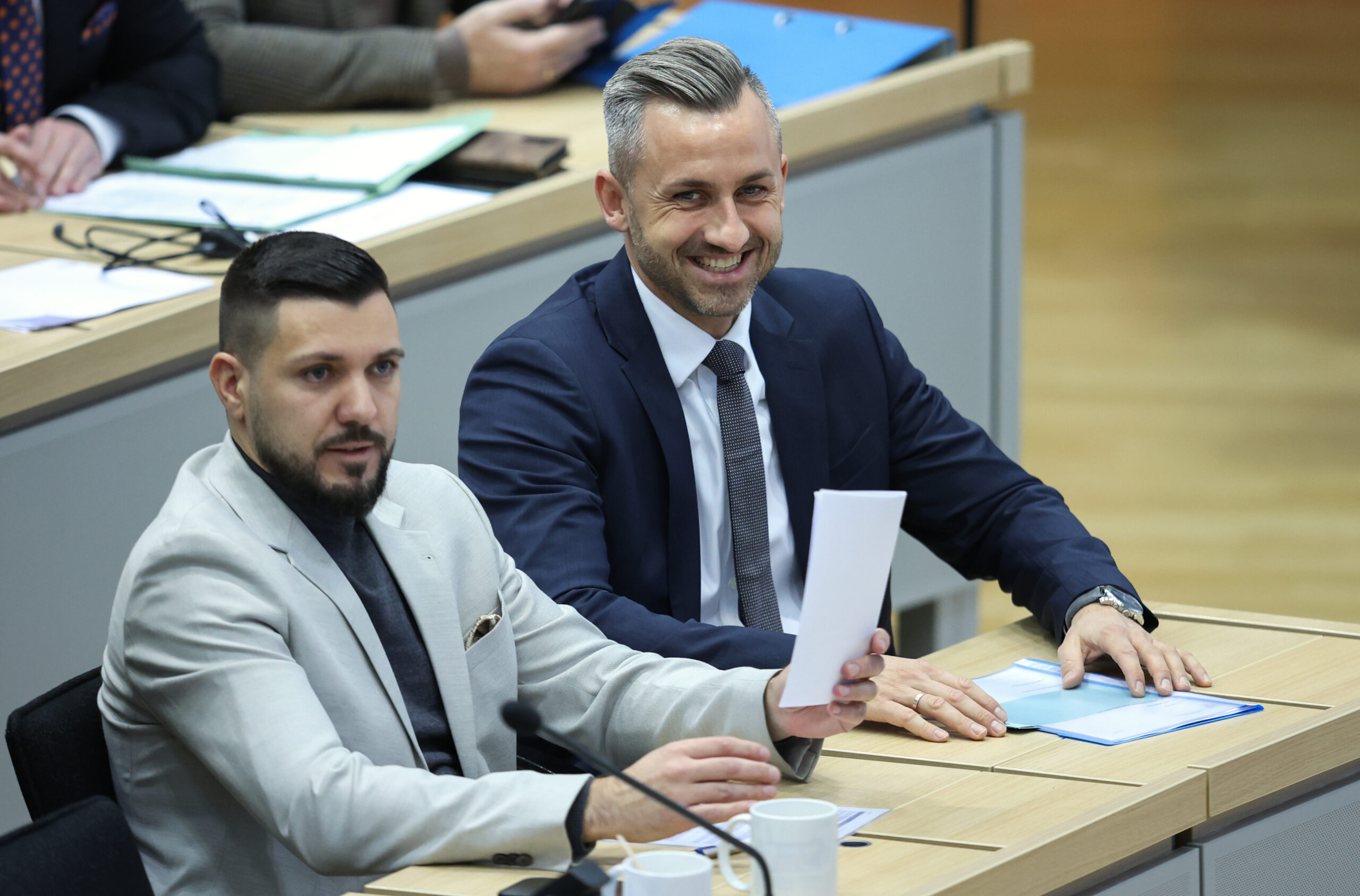
The far-right Alternative for Germany (AfD) is poised Tuesday to preside over a state assembly for the first time following its landslide election victory in the eastern state of Saxony-Anhalt. The AfD took nearly 44 percent of the vote last month in the state in the former communist East Germany, easily beating the centre-right CDU of unpopular Chancellor Friedrich Merz. Newly elected state lawmakers gathered for the first time Tuesday in the state capital Magdeburg to elect a speaker, with the AfD’s candidate Tobias Rausch expected to win despite facing accusations of nepotism.
It would be the first time a far-right party has held such a position in post-war Germany. Several hundred protestors gathered outside the state parliament to urge other parties not to co-operate with the AfD, which in Saxony-Anhalt is classified as a “confirmed extremist” organisation by domestic intelligence. They held signs with slogans such as “Never again is now” in reference to Germany’s Nazi past and read out parts of the constitution which set out citizens’ basic rights.
The anti-immigration and Moscow-friendly AfD narrowly missed out on an absolute majority, winning 39 out of 83 seats. That means they will need to seek support from other parties, in the first instance from the five lawmakers from the small BSW, a left-wing party that nonetheless echoes the AfD’s stances on Russia and immigration. The BSW has said it will support a speaker from the AfD. The BSW’s deputy leader Christian Leye defended the decision, saying the “firewall” erected by the other parties against co-operation with the AfD “is not working”.”We need a smarter way of dealing with the AfD and that means tackling the content of their programme instead of a firewall,” Leye told the Politico site.
Other parties have expressed alarm at the prospect of a far-right speaker. The leader of the far-left Linke in the state, Eva von Angern, has drawn parallels with Hermann Goering’s time as speaker of the Reichstag federal parliament in the 1930s and his role in enabling Adolf Hitler’s takeover. The BSW has called the comparison “shameful”. – Merz under pressure – The AfD’s leader in Saxony Anhalt, Ulrich Siegmund, has said he hopes to be elected as state premier in December, which would be another first for the party.
The BSW has so far not committed to backing Siegmund for the post, although according to media the two parties have agreed to co-operate on issues such as a commission of inquiry into government policies during the coronavirus pandemic. The AfD is also courting the 15 CDU lawmakers. But Sven Schulze, the CDU’s regional leader and current state premier, on Monday insisted there would be no defectors from his party.
The AfD also placed first in an election in the eastern state of Mecklenburg-Western Pomerania last month, although a coalition of left-wing parties is expected to continue governing. In the city-state of Berlin, the Linke party notched a victory as both Merz’s CDU and the chancellor’s junior coalition partners, the centre-left Social Democrats, slumped. The results of all three regional elections have added to the pressure on Merz, who took office in 2025 promising to sap the AfD’s appeal by kickstarting Germany’s spluttering economy and taking a tougher line on immigration.
But his coalition has instead been beset by disagreements over reforms while the AfD has surged, reaching 30 percent in the latest opinion polls, while the CDU/CSU continues to drift downwards as low as 17.5 percent.
Tue, 06 Oct 2026 10:19:17 GMT