
UK confirms EU deal has exit clause
A trade deal struck last week between Britain and the EU as part of Prime Minister Andy Burnham’s reset with the bloc contains a termination clause, London confirmed Thursday. It comes as the leaders of the right-wing opposition Conservative and Reform UK parties suggested they could seek to scrap the agreements if they defeat Labour at the next general election. Burnham has reignited the Brexit wars that dominated British politics following the narrow victory for the leave campaign during the 2016 referendum by suggesting Britain could apply to rejoin one day.
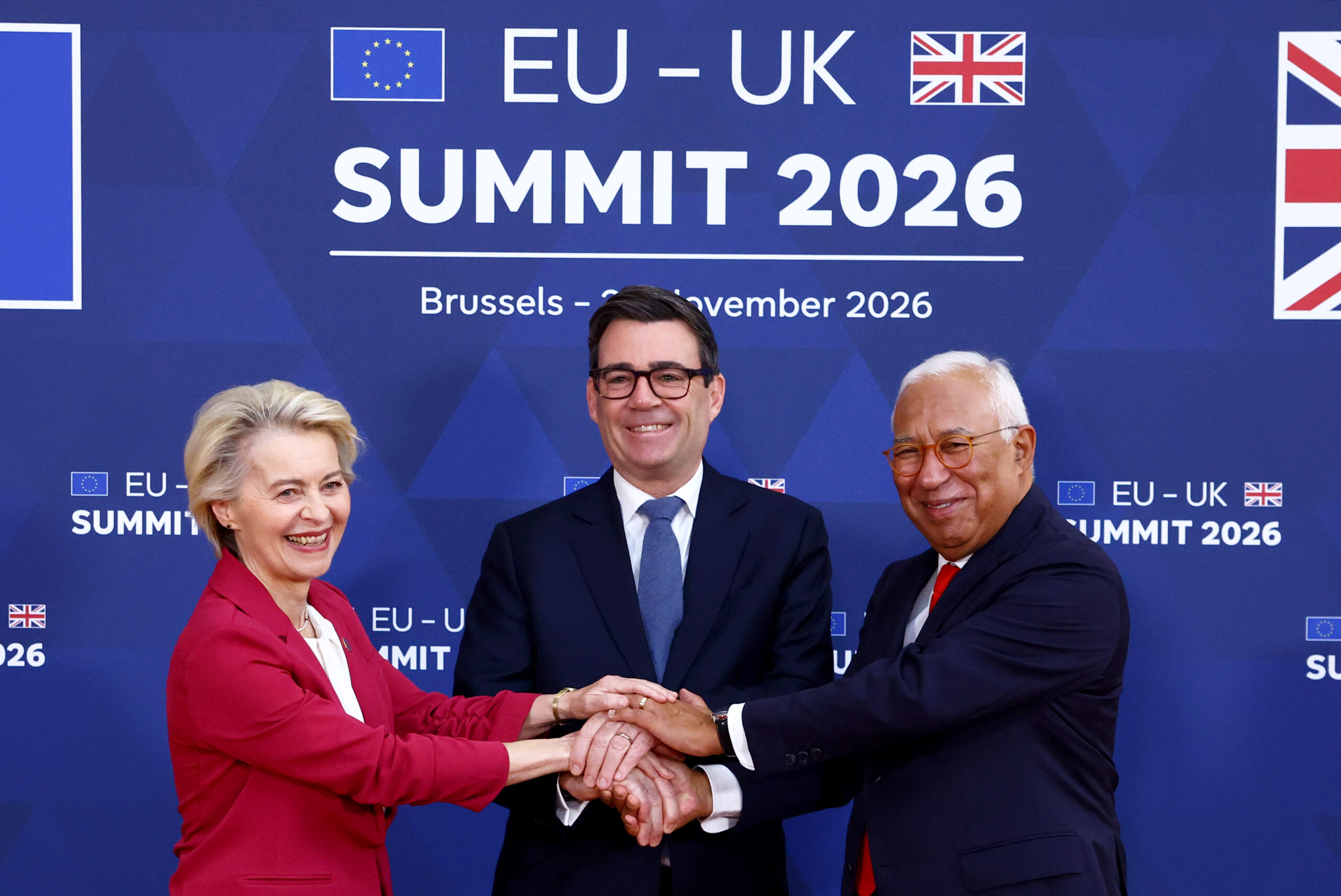
The UK premier and top EU officials signed three agreements in Brussels on November 20 designed to improve post-Brexit ties in the short term, kicking decisions on their long term relationship down the road. They include the so-called sanitary and phytosanitary (SPS) deal, which the British government says could add £5.1 billion ($6.7 billion) to the country’s economy by slashing red tape on food and drink exports when it comes into force in 2028.
The legal text of the agreement published Thursday shows that if one party ends the agreement within its first 10 years they would have to pay “reasonable and proportionate costs” to rebuild the border checks infrastructure that the deal removes.”That termination clause is a standard practice in international treaties, and this one applies equally to both sides, including the EU,” Burnham’s deputy spokesperson told reporters.
If the sides cannot agree on the sum then it would go to an international tribunal, UK officials said. An EU diplomat told AFP that the reciprocal clause “provides stability for the agreement to deliver its benefits”. Charles Grant, director of the Centre for European Reform think-tank, said it “makes sense” for the EU given the ongoing debate in Britain about its future relations with Brussels.”It’s an insurance policy,” he told AFP.
Friday’s summit also agreed measures linking the two sides’ emissions-trading schemes and allowing young people to study and work across UK-EU borders. On Thursday, Burnham’s government formally introduced into parliament the legislation required to implement the trade and electricity agreements. MPs will get their first chance to debate them on December 7, with a vote expected to follow, Labour confirmed Thursday. – ‘Brainstorming’ – The EU Partnership Bill, which the government also refers to as the “Cutting Costs” bill, will almost certainly be approved by the lower House of Commons, where Labour holds a large majority.
It will see the UK align with EU rules for sectors covered by the agreements, something known as dynamic alignment. The Conservatives and Reform argue that it will see Britain become a “rule taker” from Brussels. The agreement stipulates that the EU will “informally” consult British experts when drafting legislation but the UK will have “no voting rights”. It also states that the UK must pay a “participation fee” for the removal of the border checks for agricultural products.
Reform leader Nigel Farage said this week he would “repeal” the reset deal while Conservative leader Kemi Badenoch said Thursday she “does not support” what Burnham is doing. The UK government says linking the pair’s carbon markets will exempt 6.5 billion pounds’ ($8.1 billion) worth of British exports from EU carbon border taxes. London and Brussels have given themselves six more months to reach agreement on reduced university tuition fees for EU students in Britain, a key demand of the bloc.
Having previously said he would like to see Britain rejoin the EU in his lifetime, Burnham has promised to lay out options that could range from leaving things as they are to entering the customs union or becoming a member again. The prime minister has vowed to present his options to the public after a year of “informal brainstorming” with the EU. He said this week that rejoining without a referendum would be “unthinkable”.
Several former Conservative prime ministers, including Rishi Sunak, Boris Johnson, Theresa May and David Cameron, have warned against reopening a debate that deeply divided the country.
Thu, 26 Nov 2026 17:00:07 GMT