
Israel, Lebanon say extending ceasefire despite new strikes
Israel and Lebanon agreed to extend a ceasefire and hold expanded talks on a political settlement, the United States announced Friday, even as Israel carried out new strikes that it insists are not subject to the truce. Israel has been pounding Lebanon and invaded its south in response to fire from Hezbollah, the Iranian-backed Shia movement that is not part of the ceasefire diplomacy. Envoys from Israel and Lebanon’s government, which has struggled to restrain Hezbollah, met for two days in Washington and said they would extend the ceasefire that was set to expire Sunday.
The cessation of hostilities “will be extended by 45 days to enable further progress,” State Department spokesman Tommy Pigott said. He said that the State Department would hold negotiations aimed at reaching a permanent political agreement on June 2 and 3 and that the Pentagon would bring together delegations from the countries’ militaries on May 29. Lebanon’s delegation said in a statement that the ceasefire extension and opening of military talks would offer “critical breathing room for our citizens” with a goal of “lasting stability.”In an implicit rebuke to Hezbollah, Lebanese Prime Minister Nawaf Salam told an NGO dinner in Beirut that his country has had “enough of these reckless adventures serving foreign projects or interests.”The latest brought “a war we did not choose but was forced upon us, which led to Israel occupying 68 towns and villages,” he said.
The United States steadfastly backs Israel, with which it launched attacks on Iran on February 28, but has also gently voiced unease about Israeli troops’ encroachments into southern Lebanon. Israel’s ambassador to Washington, Yechiel Leiter, who led his country’s delegation, said after the talks that the priority was ensuring Israel’s security.”There will be ups and downs, but the potential for success is great,” Leiter wrote on X.
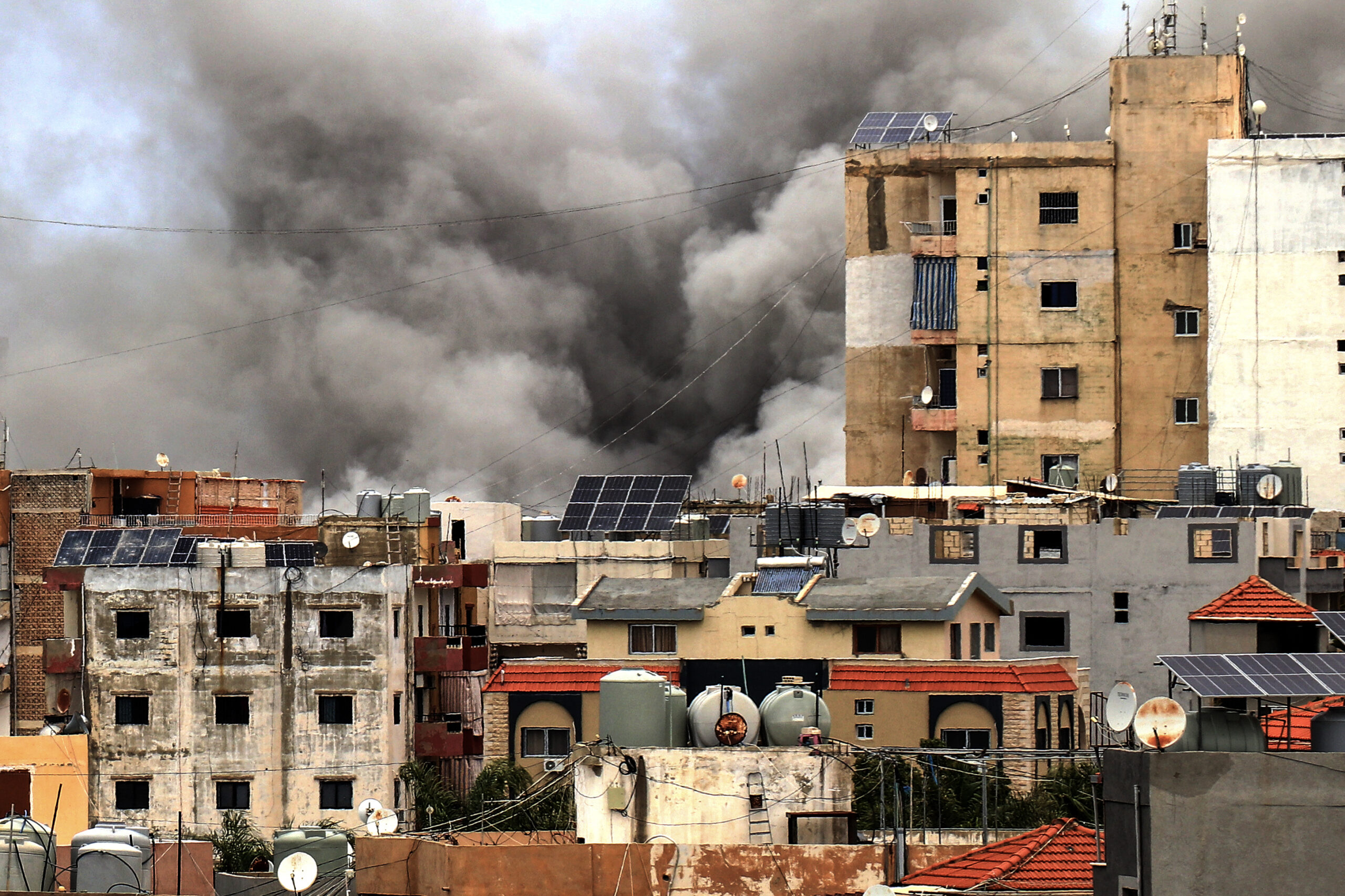
Iran’s clerical state, Hezbollah’s patron, has demanded a lasting ceasefire in Lebanon before any peace agreement with US President Donald Trump, who has been frustrated by Tehran’s refusal to an accord on his terms.- Truce met with violence -Hundreds of people have died in Israeli strikes despite the truce announced on April 17. Moments after the ceasefire renewal was announced, an Israeli strike hit a center of the Hezbollah-linked Islamic Health Committee in the southern town of Hanuf, authorities said.
Six people died, including three paramedics, according to the Lebanese health ministry. Israel also carried out strikes in the southern city of Tyre after issuing evacuation orders, and Hezbollah said it targeted Israeli barracks in the northern city of Kiryat Shmona with drones. Lebanon’s health ministry said strikes in the Tyre district also wounded at least 37 people, including six hospital personnel, nine women and four children.
Hafez Ramadan, a resident near the building targeted by the airstrike, said it had housed people who had fled their towns due to the war and was adjacent to a hotel where more displaced were staying.”There are only women, children and the elderly here,” he said. “Because of this strike, people have been displaced again.”The Israeli military said another of its soldiers was killed in southern Lebanon, bringing the number of Israeli soldiers killed in clashes with Hezbollah since early March to 19.
A civilian contractor was also killed. It said it killed more than 220 Hezbollah fighters over the past week and struck hundreds of targets.- ‘Unacceptable’ toll -The United Nations humanitarian coordinator for Lebanon, Imran Riza, said that diplomacy needed to stop the violence.”The reality on the ground in Lebanon has been deeply alarming,” he said. “Airstrikes and demolitions continue daily, with an unacceptable toll on civilians and civilian infrastructure.”But he expressed his hope that the Lebanon-Israel talks “will pave the way toward a political solution.”During the last talks between Israel and Lebanon, Trump brought envoys to the White House and predicted within the current ceasefire period that he would host a historic meeting between Israeli Prime Minister Benjamin Netanyahu and Lebanese President Joseph Aoun.
That meeting has not happened, with Aoun saying a security deal was necessary first, and there was no mention of a summit in the last ceasefire extension. Lebanon was dragged into the Middle East war on March 2 when Hezbollah fired rockets at Israel in retaliation for the killing of Iran’s supreme leader Ali Khamenei. Israeli attacks since then have killed more than 2,900 people in Lebanon, including more than 400 since the truce took effect, according to Lebanese authorities.burs-sct/msp
Fri, 15 May 2026 21:46:07 GMT