
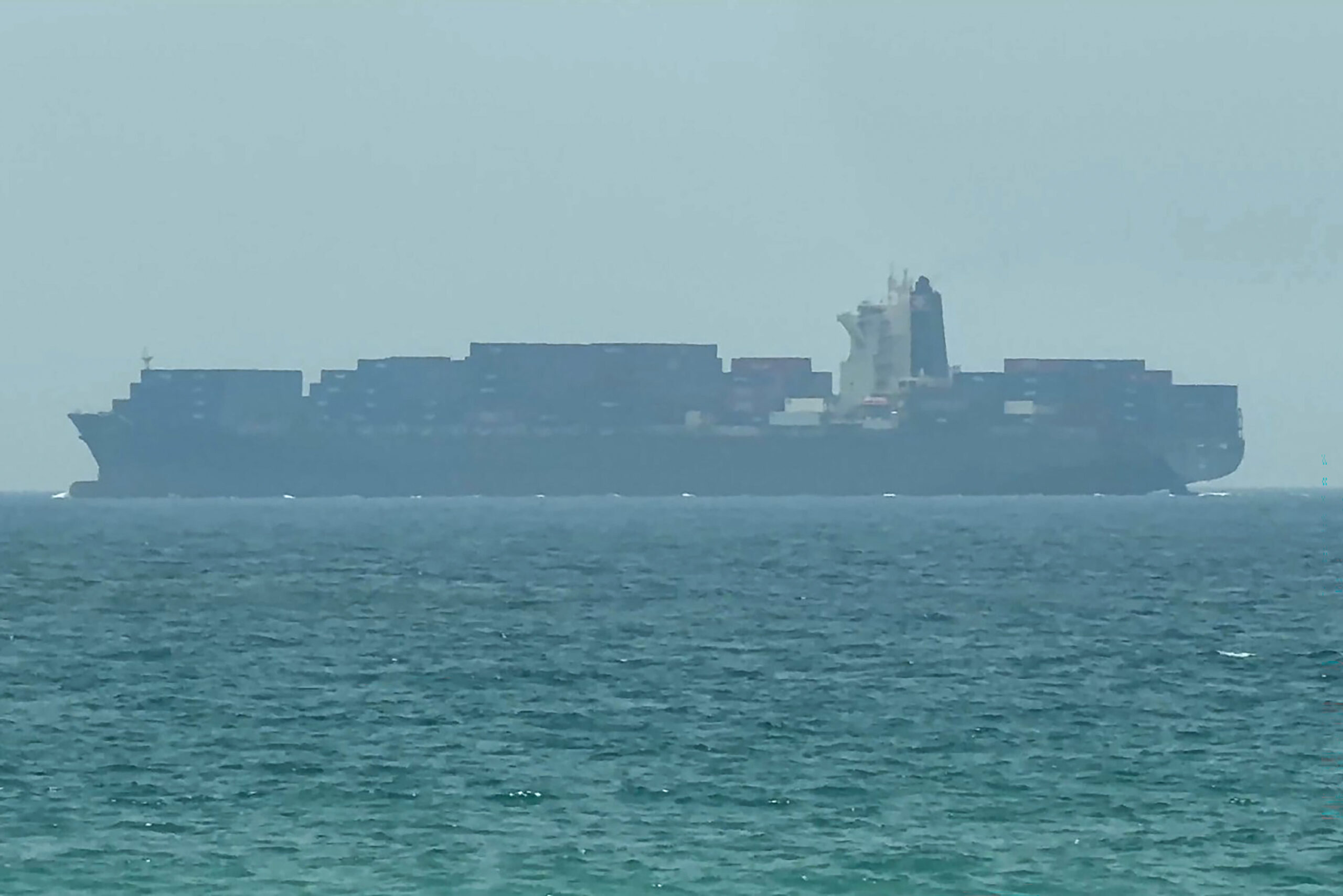
Oil hits one-month high as Mideast war keeps investors on edge
Brent crude hit on Monday its highest price since June due to renewed fighting between the United States and Iran, while Asian equities were mixed as investors weighed the fallout of a prolonged Middle East war. Crude has surged over the past week as Washington and Tehran traded fire, raising fears of a sustained disruption in the Strait of Hormuz, which carries around a fifth of the world’s seaborne oil.
Both Brent crude and US benchmark West Texas Intermediate extended their gains after climbing more than four percent at the end of last week. Brent rose above $91 a barrel, its highest price since June 11. The latest moves came after another weekend of escalating fighting, with the United States carrying out fresh strikes on Iranian targets and Tehran responding with attacks on regional military assets in the Gulf.
The conflicting signals have left investors struggling to gauge the outlook for markets. Higher crude prices have revived concerns that inflation could remain elevated and complicate the path to lower interest rates, but some analysts argue the broader economic backdrop is becoming more supportive.”Markets are once again being forced to trade two seemingly contradictory stories on the same screen,” said Stephen Innes of SPI Asset Management. While the renewed rise in oil prices has injected a fresh geopolitical risk premium into markets, he said cooling underlying US inflation and a softer labour market suggested the energy shock would not necessarily trigger a new cycle of broad-based inflation.
Instead, the biggest risk would come if elevated oil prices persist long enough to erode household spending and weigh on economic growth. In Asia, the market was mixed. Chinese shares outperformed as investors extended a recent rally on expectations Beijing will unveil further measures to support the economy after last week’s economic data. Chinese markets were ahead, with Hong Kong adding more than two percent and Shanghai up 1.32 percent.
Taipei, Manila and Singapore also edged higher. Elsewhere, however, caution prevailed. Seoul, Sydney and Wellington opened down. The mellow performance followed another weak session on Wall Street, where all three major indexes finished lower on Friday as investors continued to rotate out of technology shares while keeping a close watch on developments in the Gulf. Gold eased despite the geopolitical uncertainty, falling 0.40 percent, while silver advanced 1.00 percent.- Key figures around 0230 GMT -Brent North Sea Crude: UP 2.70 percent at $90.48 per barrelWest Texas Intermediate: UP 2.46 percent at $84.52 per barrelTokyo – Nikkei 225: Closed for a holidayHong Kong – Hang Seng Index: UP 2.31 percent at 25,128.81Shanghai – Composite: UP 1.32 percent at 3,813.68Euro/dollar: FLAT at $1.1439 from $1.1439 on FridayPound/dollar: UP $1.3459 at from $1.3457Dollar/yen: DOWN at 162.34 from 162.44 yenEuro/pound: DOWN at 84.99 from 85.00 penceLondon – FTSE 100: UP 0.27 percent at 10,600.37 (close)New York – Dow: DOWN 0.77 percent at 52,146.42 (close)
Mon, 20 Jul 2026 03:17:29 GMT