
Possible Iran-US deal: What we know
The United States and Iran appear closer than ever to a deal that would end a war that has engulfed the Middle East and disrupted the global oil market. However, Israeli Prime Minister Benjamin Netanyahu said Sunday he had agreed with US President Donald Trump that any final deal must fully end Iran’s “nuclear threat”. Iran’s Tasnim news agency said its information was that key clauses of a possible agreement remained unresolved, including the issue of frozen Iranian assets.
What do we know about the possible agreement? – Nuclear question -Iran’s foreign ministry spokesman Esmaeil Baqaei said the nuclear issue was not part of an initial framework. It will rather be “subject to separate discussions” later. But the New York Times, citing two unnamed American officials, said a key element of the proposed agreement was an apparent commitment by Tehran to give up its stockpile of highly enriched uranium.
The question of how Iran would do so would be discussed in a “later round of negotiations over Iran’s nuclear program”, the paper said. But Iran’s Fars and Tasnim news agencies reported that Iran made no commitments regarding its nuclear programme. “Iran has made no commitment in this agreement to hand over nuclear stockpiles, remove equipment, shut down facilities or even commit not to build a nuclear bomb,” Fars said.
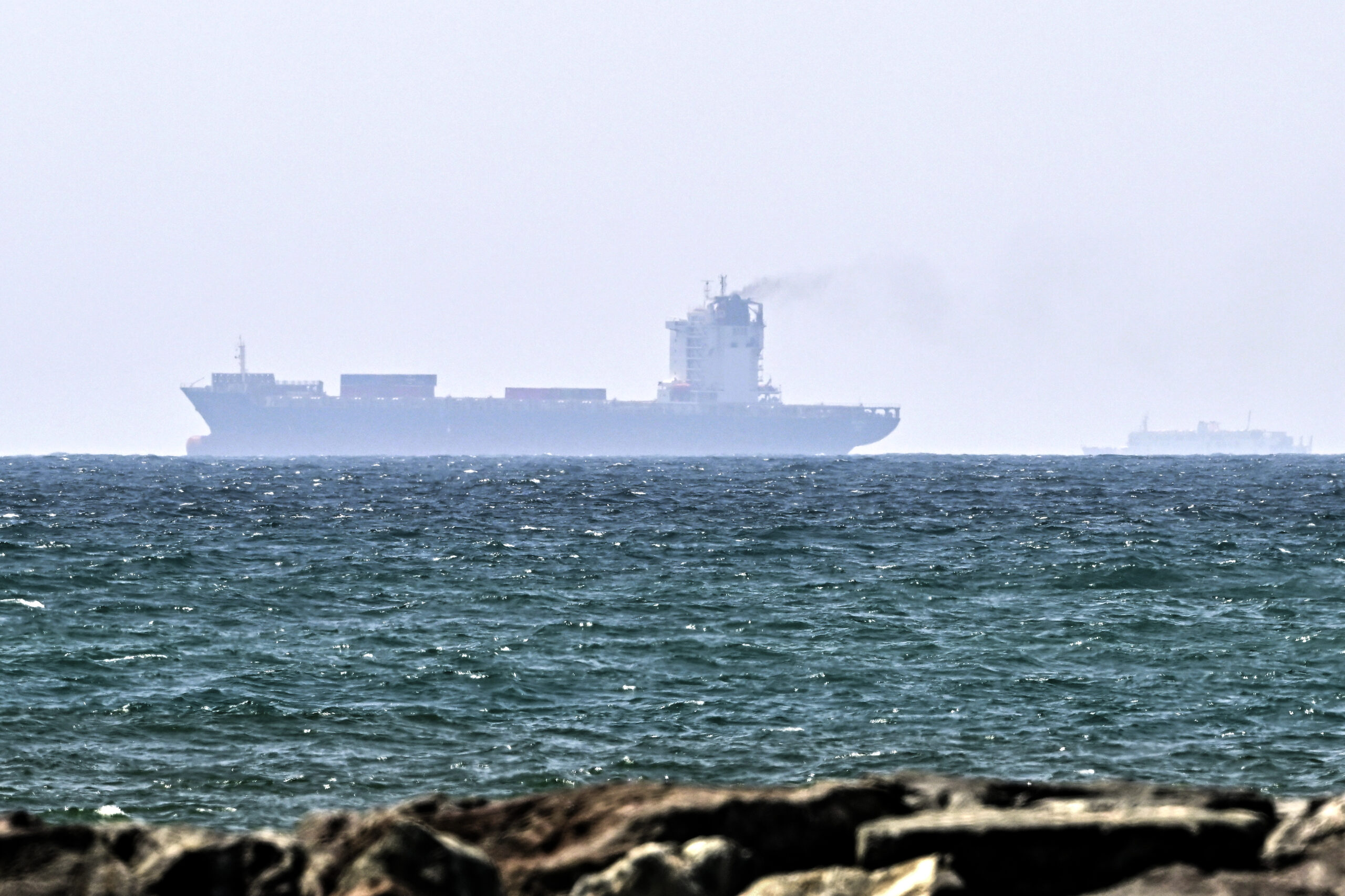
Both agencies said nuclear-related issues would be negotiated within 60 days of the understanding being signed. Netanyahu said that in a conversation on Saturday, “President Trump and I agreed that any final agreement with Iran must eliminate the nuclear threat entirely”.”This means dismantling Iran’s uranium enrichment facilities and removing enriched nuclear material from its territory,” he added.- How will Hormuz reopen? -A key sticking point in the talks is traffic through the Strait of Hormuz, the vital global conduit for oil shipments that has come under Iranian control since the outbreak of the war.
Iran has insisted that vessels must obtain permission from its armed forces. Trump said Saturday that “in addition to many other elements of the Agreement, the Strait of Hormuz will be opened”, a development that would bring relief to global energy markets. But, Fars news agency said that, if finalised, the potential agreement would preserve Iran’s management over the strategic waterway.
Tasnim reported that “the status of the Strait of Hormuz would not revert to its pre-war situation”. It added that the “the naval blockade, according to the reported framework, would also need to be fully lifted within 30 days”, referring to the US blockading Iranian ports.- Funds and sanctions -Iran has long demanded the release of its frozen assets held under longstanding US sanctions.
According to Tasnim, “Iran has insisted that any initial understanding must be conditional on at least partial access to the assets”. It quoted an informed source as saying that Iran “has stressed that there will be no agreement unless a specified portion of Iran’s frozen assets is released at the very first stage”. A clear mechanism must also be “established to guarantee the continued release of all blocked funds”.
Tasnim’s source warned that “disagreements over this matter are among the reasons why no final understanding has yet been reached”. According to Fars, a potential understanding would also see the US temporarily lifting sanctions on oil, gas and petrochemicals during the negotiation period.- Is Lebanon included? -Israel has been carrying out daily strikes in Lebanon despite a US-brokered ceasefire, saying it is targeting Hezbollah.
Iran has previously said that any ceasefire must apply to all fronts of the regional war, including Lebanon, and Hezbollah has said it is confident that its ally will not abandon it. Tasnim reported that “a memorandum of understanding (MOU) would first be announced, stressing an end to fighting on all fronts, including in Lebanon”.”Under the arrangement, Israel, as a US ally, would also be expected to halt the war in Lebanon,” it added.
Baqaei told state television that “at this stage, we will not discuss the details of the nuclear issue… we have decided to prioritise an urgent issue for all of us: ending the war on all fronts including Lebanon”.burs-srm/amj
Sun, 24 May 2026 17:38:51 GMT